 Business License

What makes a tire have less road noise? | Insights by ASLONG
Tire road noise is a common concern for drivers seeking a quieter and more comfortable ride. Understanding the factors that contribute to this noise and the available solutions can help in making informed decisions.
What Makes a Tire Have Less Road Noise?
1. Tread Pattern and Design
The design of a tire's tread pattern significantly influences the level of road noise. Larger, more aggressive tread patterns, like those found on off-road tires, tend to be noisier due to increased air turbulence. Conversely, tires with optimized tread designs can reduce noise by minimizing air resistance and vibrations.
2. Tire Compound and Material
The composition of the rubber used in tire manufacturing affects its noise characteristics. Softer rubber compounds generally produce less noise compared to harder ones. Additionally, incorporating sound-absorbing materials within the tire structure can further reduce noise levels.
3. Road Surface Interaction
The type and condition of the road surface play a crucial role in the amount of noise generated. Smooth asphalt surfaces are typically quieter than coarse concrete or gravel roads. The interaction between the tire and the road surface determines the level of noise transmitted into the vehicle.
4. Vehicle Speed
As vehicle speed increases, so does tire noise. This is due to the higher frequency of impacts with the road surface, leading to increased vibrations and noise. Maintaining moderate speeds can help in reducing the overall noise levels experienced during driving.
5. Tire Design Innovations
Tire manufacturers have developed various technologies to reduce road noise. For instance, Toyo Tires has introduced a device that effectively reduces resonance in tire cavities, a significant source of vehicle interior noise. This device utilizes the flow of air inside the tire to minimize noise levels.
6. Sound Insulation Materials
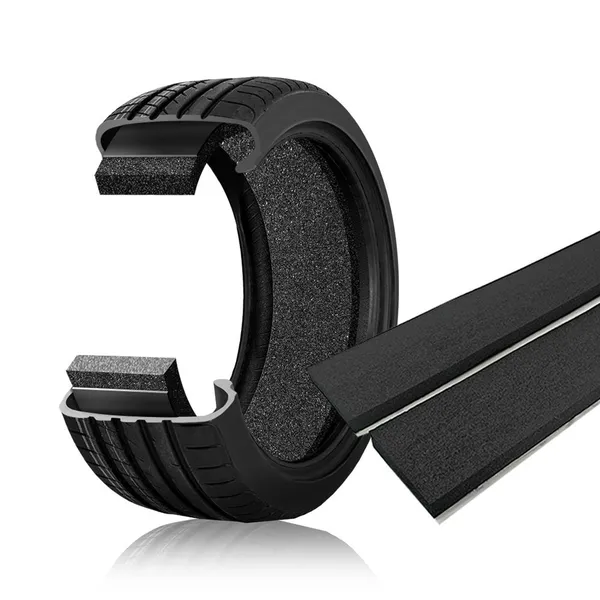
Incorporating sound insulation materials within the tire structure can significantly reduce road noise. Materials such as polyurethane foam are used to absorb vibrations and minimize noise transmission. For example, ASLONG offers noise reduction foam tires that effectively reduce tire noise, enhancing vehicle ride comfort. ((https://www.aslong.cc/aslong-noise-reduction-foam-tires-superior-soundproofing.html?utm_source=openai))
7. Tire Maintenance
Regular tire maintenance, including proper inflation and alignment, can help in reducing road noise. Under-inflated or misaligned tires can lead to uneven wear, increasing noise levels and reducing ride comfort.
8. Vehicle Soundproofing
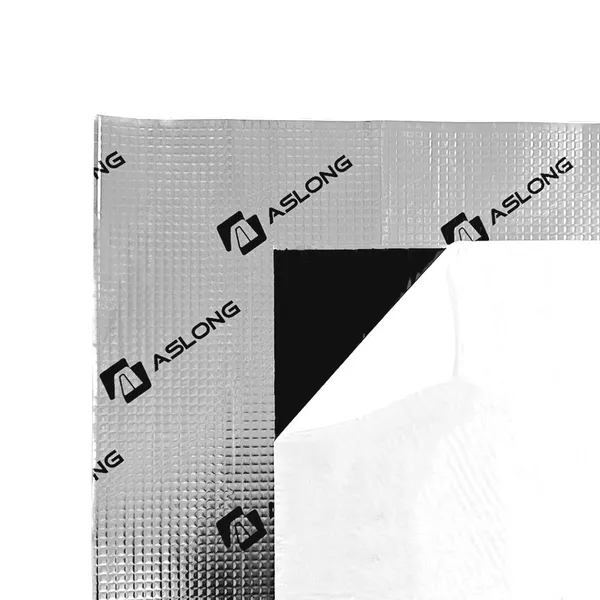
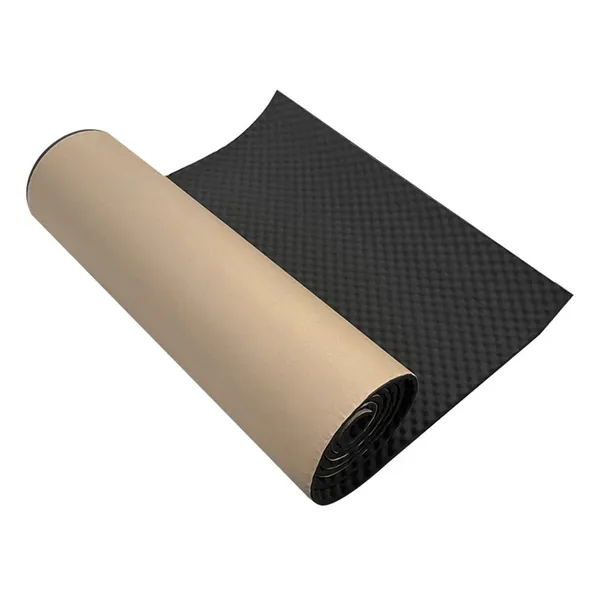
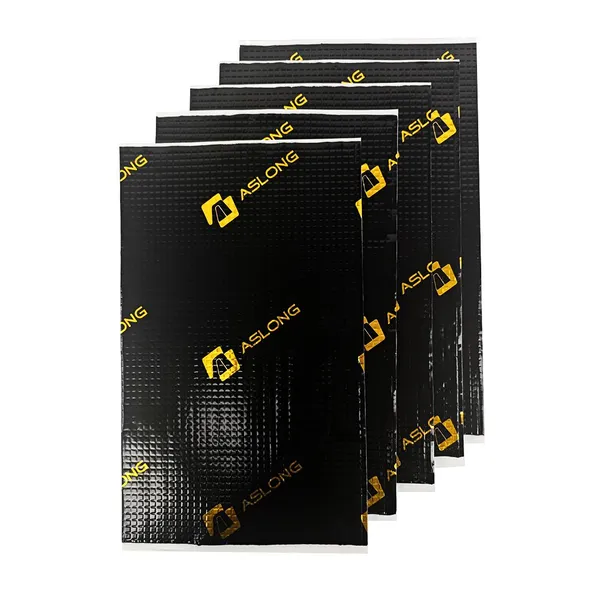
Beyond tire-related solutions, enhancing vehicle soundproofing can further reduce road noise. Applying sound deadening materials to areas such as door panels, floorboards, and the trunk can effectively minimize vibrations and noise transmission, leading to a quieter ride.
Conclusion
Reducing tire road noise involves a combination of factors, including tire design, material composition, road conditions, and vehicle maintenance. By understanding these elements and considering solutions like sound insulation materials and innovative tire technologies, drivers can achieve a more comfortable and quieter driving experience.
ASLONG's noise reduction foam tires exemplify the advancements in tire technology aimed at enhancing ride comfort through effective noise reduction.
For more information on ASLONG's noise reduction foam tires, visit their official website.
By considering these factors and solutions, drivers can make informed decisions to enhance their driving experience.
Note: The information provided is based on available sources and may vary depending on specific tire models and vehicle types.
Disclaimer: The above content is for informational purposes only and does not constitute professional advice.
Recently Posted
-
How to Clean Tire Inner Surface Before Installing Tire Foam for Better Adhesion
July 24, 2026How to Clean the Tire Well Before Installing FoamInstalling acoustic tire foam is an effective way to reduce tire cavity noise and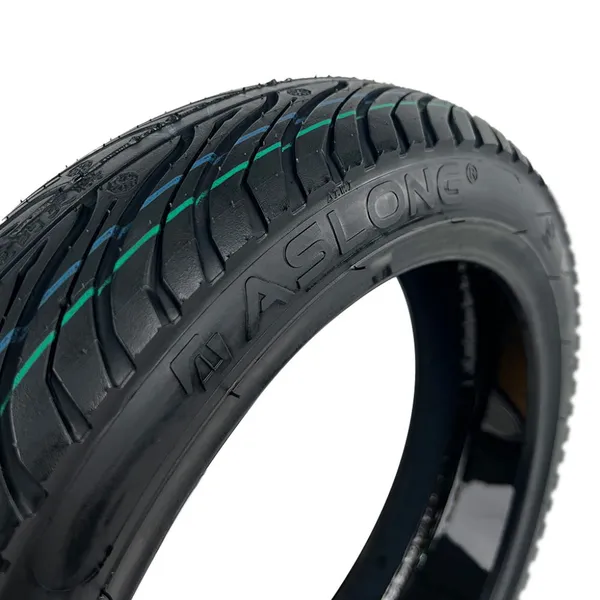 Read More
 -
The Ultimate Guide to Car Soundproofing Foam: Uses and Installation
July 14, 2026Car Sound Insulation Foam: Improve Comfort and Reduce NoiseDriving should be comfortable and quiet, but unwanted road noise, engin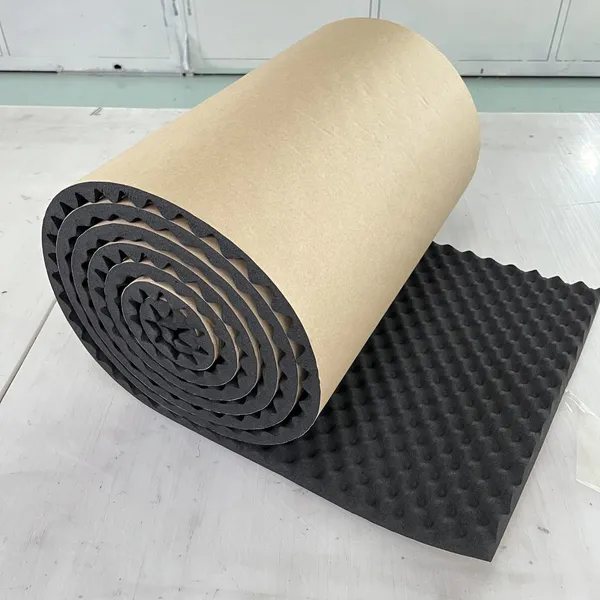 Read More
 -
Market Trend: Noise Management and the Growing Need for Soundproofing in EVs
July 11, 2026Market Hotspot: Noise Control & Growing Demand for Soundproofing in EVsIntroductionThe rapid expansion of the electric vehicle Read More
 -
How to stop tires from humming? | Insights by ASLONG
June 30, 2026Understanding and Mitigating Tire Humming NoiseTire humming noise is a common issue that can disrupt the comfort of your driving e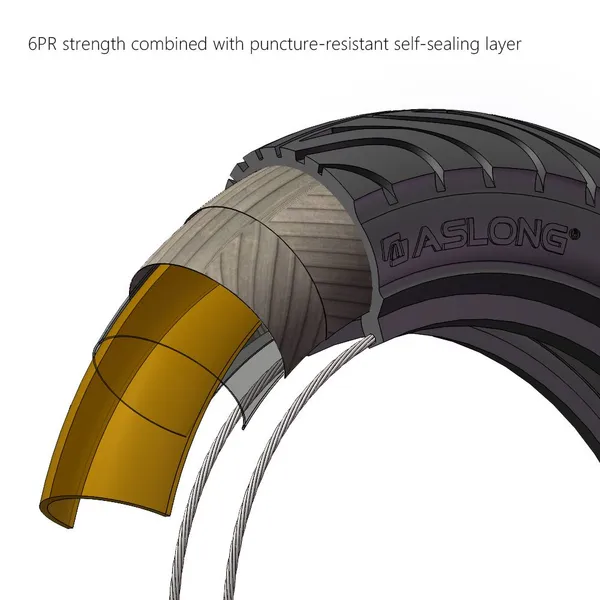 Read More

Contact Us
Recommended Products
-
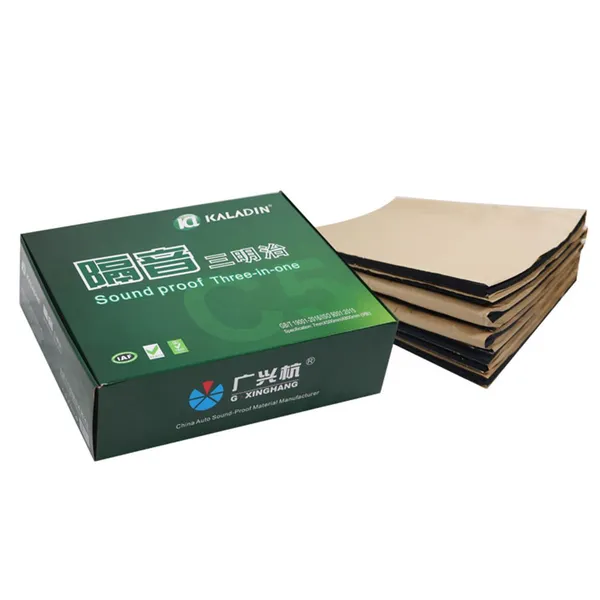
 ASLONG 3-in-1 Low-Frequency King 7mm Thick Full Car Sound Deadening | Factory Direct | Small MOQ OEM CustomNegotiableMOQ: 500 Boxes
 -
High Density Damping Soundproof Felt (MLV) for Pipe & Floor InsulationNegotiableMOQ: 50 Boxes
-
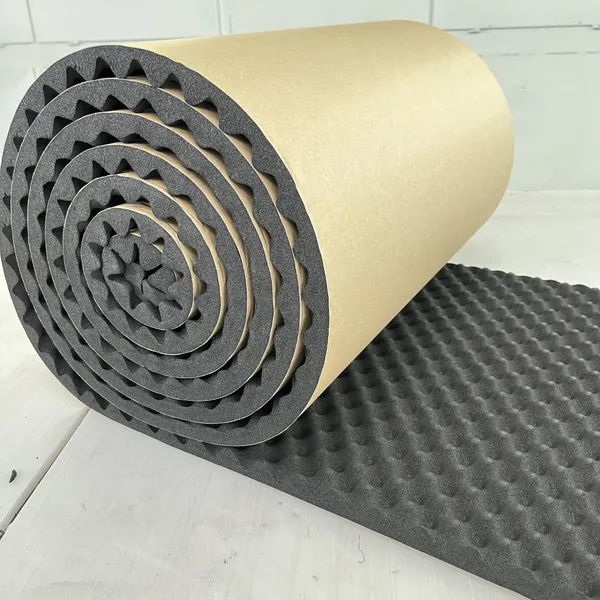
Factory Direct NBR Soundproof Foam | Custom Sizes Available Wholesale NBR Acoustic Panels – Cost-Effective Noise Control SolutionNegotiableMOQ: 10 Rolls
-
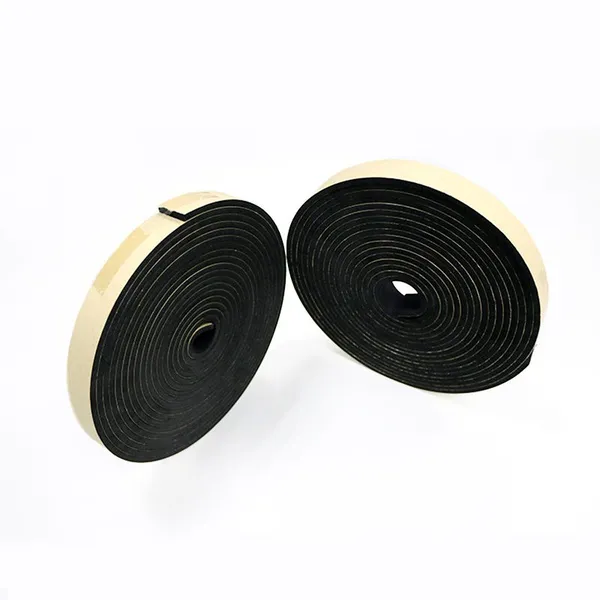
NBR Trending Keywords for Acoustic Sealing Strips Hot Keywords Popular Search Terms Acoustic WeatherstrippingNegotiableMOQ: 50 Rolls
-
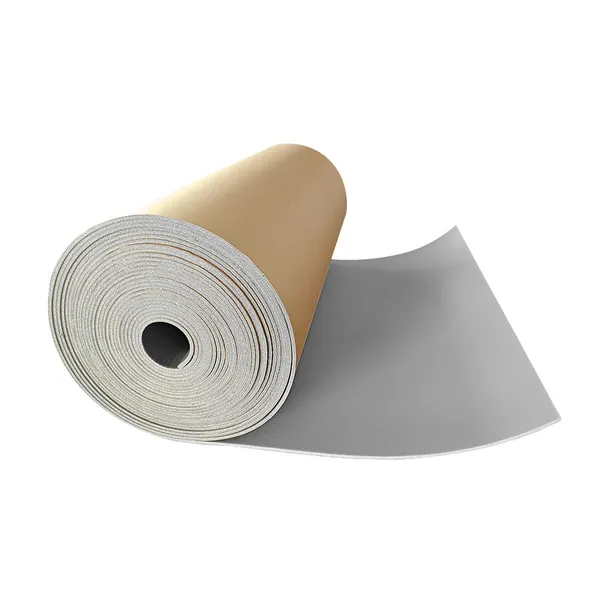
XPE Sound Insulation Foam Cross-linked Polyethylene Acoustic Pad Eco-friendly Floor Underlayment XPE Thermal and Sound Insulation MaterialNegotiableMOQ: 10 Rolls
-
Mass Loaded Vinyl (MLV) Soundproofing Mat Acoustic Mat Sound Deadening MatUS$ 38MOQ: 10 Cartons
-
Specially for 50# Pipes Reduce Water Pipe Noise in High-rise Buildings Soundproof Water Pipes in High-rise BuildingsUS$ 8MOQ: 10 Blades
-
Specially for 75# Pipes Reduce Water Pipe Noise in High-rise Buildings Soundproof Water Pipes in High-rise BuildingsUS$ 11MOQ: 10 Blades
-
Specially for 110# Pipes Reduce Water Pipe Noise in High-rise Buildings Soundproof Water Pipes in High-rise BuildingsUS$ 16.9MOQ: 10 Blades
-
Self-healing Tubeless Tire for Electric Scooter MotorcycleUS$ 20 - 30MOQ: 10 Units
-
Wholesale Factory Price OEM 2mm Thickness ASLONG Car Sound Absorbing and Heat Insulation MatsUS$ 2.5 - 2.75MOQ: 499 Blades
-
NBR Heat Resistant Composite Glass Fiber Aluminum Foil Anti-oxidation Roof Ceiling Thermal Insulation Foam Sound Absorbing FoamUS$ 4.1 - 4.3MOQ: 499 Blades
-
460*800mm Soundproofing Materials Car Doors Sound DeadeningUS$ 60 - 64MOQ: 49 Cartons
-
Heavy-Duty Protection Noise Cancellation Self-Sealing Puncture-proof Tire FoamUS$ 16.9MOQ: 8 Blades