 Business License

Market Trend: Noise Management and the Growing Need for Soundproofing in EVs
Market Hotspot: Noise Control & Growing Demand for Soundproofing in EVs
Introduction
The rapid expansion of the electric vehicle (EV) industry is transforming not only the automotive market but also the demand for advanced noise control technologies. While electric vehicles eliminate engine noise, they introduce new acoustic challenges that make cabin soundproofing more important than ever.
Unlike conventional gasoline-powered vehicles, EVs expose passengers to road noise, tire noise, wind turbulence, electric motor whine, and high-frequency vibrations. As consumers increasingly expect a premium driving experience, manufacturers are investing heavily in innovative soundproofing and vibration damping materials.
For suppliers of automotive acoustic materials, this trend presents one of the fastest-growing market opportunities in the coming decade. Industry reviews consistently note that the disappearance of engine noise makes road, tire, wind, and electric drivetrain sounds much more noticeable, increasing the importance of advanced NVH (Noise, Vibration and Harshness) engineering.
Why Noise Control Matters More in Electric Vehicles
Traditional internal combustion engine (ICE) vehicles naturally mask many environmental noises through engine vibration and exhaust sound.
Electric vehicles operate much more quietly, which means occupants can easily hear:
Tire rolling noise
Road surface vibration
Wind noise
Suspension noise
Electric motor harmonics
Gear whine
Cabin resonance
As a result, passengers become far more sensitive to sounds that previously went unnoticed.
This is why many automakers now treat cabin quietness as a key selling point for premium EVs. Reviews and market analyses highlight that EV-specific acoustic engineering increasingly focuses on suppressing road, wind, and high-frequency motor noise rather than engine sound.
Main Noise Sources in EVs
1. Tire Noise
EV batteries increase vehicle weight, placing greater loads on tires.
This often leads to:
Increased rolling noise
More vibration transfer
Greater resonance through the chassis
Many manufacturers now combine silent tires with tire acoustic foam to reduce cabin noise.
2. Road Noise
Road texture creates continuous vibration that travels through:
Floor panels
Wheel arches
Firewall
Doors
Trunk
Without engine noise masking these vibrations, road noise becomes highly noticeable.
3. Wind Noise
At speeds above approximately 80 km/h (50 mph), aerodynamic noise becomes one of the dominant sounds inside an EV cabin.
Common sources include:
Mirrors
Door seals
A-pillars
Roof rails
Windows
4. Electric Motor High-Frequency Noise
Electric motors generate:
Electromagnetic vibration
Gear meshing frequencies
High-frequency harmonics
Although these sounds are quieter than combustion engines, they can be more noticeable because of the otherwise quiet cabin.
Why EVs Need Better Soundproofing Materials
Modern EV manufacturers face two conflicting goals:
Reduce vehicle weight
Improve acoustic comfort
Therefore, traditional heavy insulation materials are gradually being replaced by lightweight, multifunctional solutions that combine sound absorption, vibration damping, and thermal insulation. Recent market analyses point to lightweight, recyclable, and multi-functional acoustic materials as a major direction for EV development.
Popular Automotive Soundproofing Materials for EVs
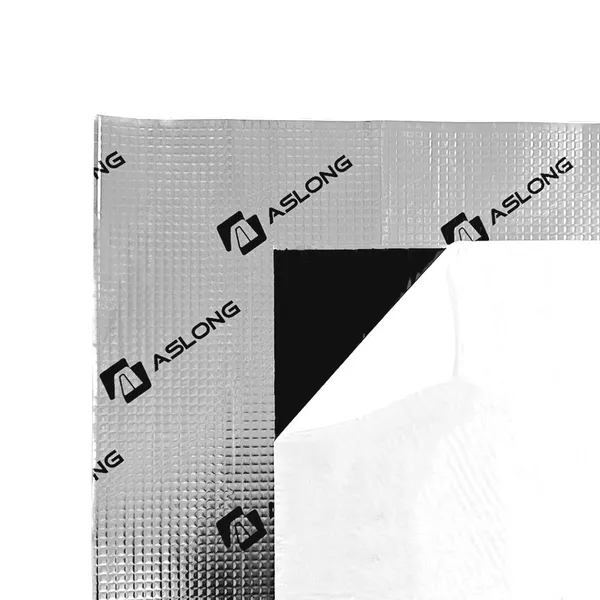
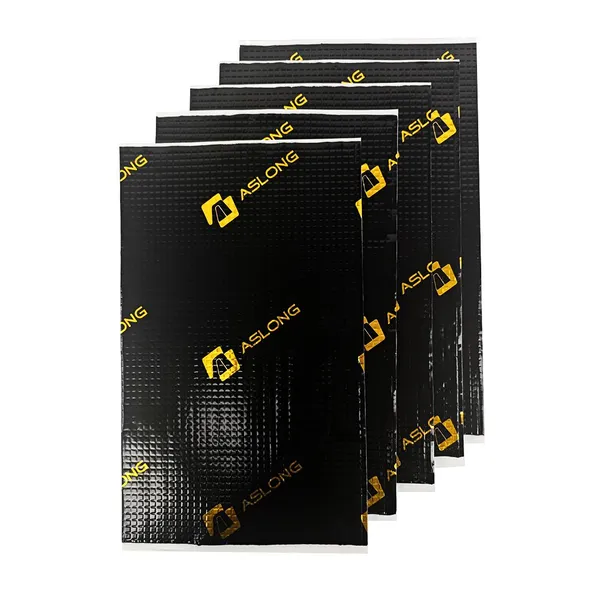
Butyl Rubber Damping Sheets
One of the most widely used vibration damping materials.
Advantages include:
Excellent vibration absorption
Strong self-adhesive
Waterproof
Heat resistant
Long service life
Typical applications:
Floor
Doors
Roof
Firewall
Trunk
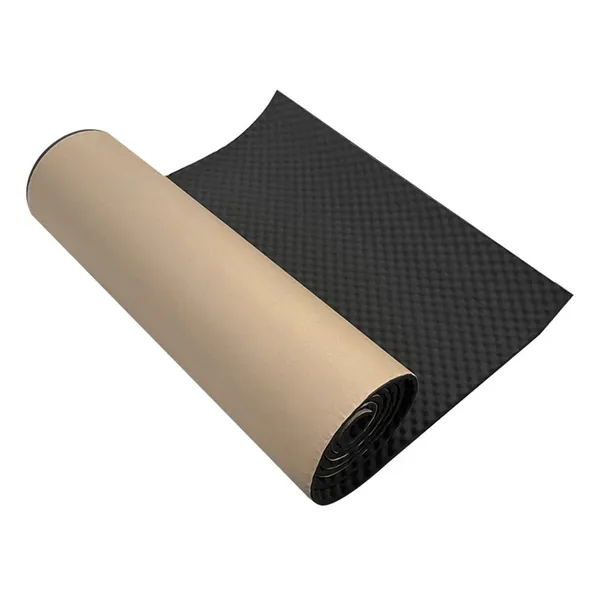
Acoustic Foam
Used to absorb airborne noise.
Benefits include:
Lightweight
Flexible
Easy installation
Excellent high-frequency absorption
Often installed behind:
Door panels
Dashboard
Roof liners
Mass Loaded Vinyl (MLV)
MLV acts as a sound barrier by blocking airborne noise transmission.
Applications include:
Floor insulation
Firewall
Cabin partitions
Wheel Arch Insulation
Wheel arches are major entry points for road noise.
Manufacturers increasingly use:
Fiber liners
Acoustic felt
Composite damping materials
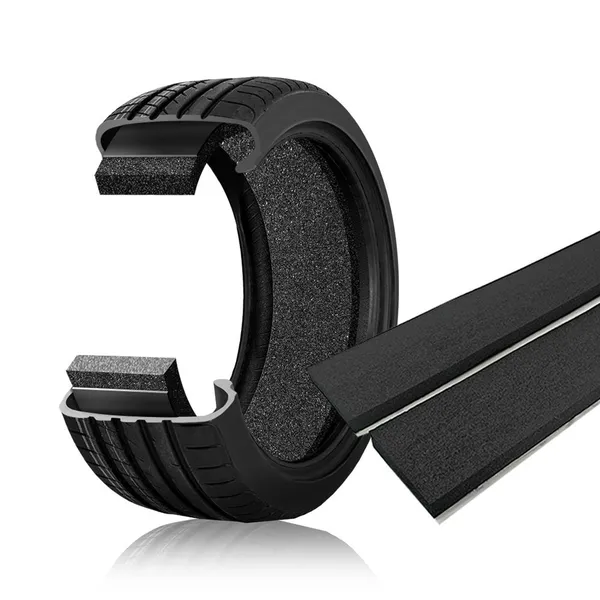
Tire Acoustic Foam
One of the fastest-growing technologies in EV noise control.
Polyurethane foam is bonded to the inside of the tire to absorb cavity resonance, helping reduce interior tire noise without affecting handling.
Market Trends Driving Demand
Rapid Growth of Electric Vehicles
Global EV adoption continues to expand rapidly, increasing demand for specialized acoustic materials tailored to electric powertrains.
Rising Consumer Expectations
Modern consumers increasingly evaluate vehicles based on:
Quiet cabins
Premium comfort
Ride quality
Luxury experience
Even mainstream EV buyers now expect noise levels comparable to luxury vehicles.
Lightweight Material Innovation
Automotive suppliers are developing:
Lightweight butyl rubber
Recycled PET acoustic fibers
Multi-layer composite insulation
Eco-friendly damping materials
These solutions reduce weight while maintaining excellent acoustic performance.
Sustainability Requirements
Environmental regulations encourage manufacturers to use:
Recyclable materials
Low-VOC adhesives
Eco-friendly acoustic insulation
Sustainable manufacturing processes
Key Areas for EV Soundproofing
To achieve optimal cabin comfort, manufacturers typically focus on:
Vehicle Area Recommended Material
Floor Butyl Rubber Damping Mat + MLV
Doors Butyl Sheet + Acoustic Foam
Roof Lightweight Foam
Firewall High-Density Damping Mat
Wheel Arches Composite Acoustic Felt
Trunk Damping Sheet
Battery Pack Area Vibration Damping Materials
Tires Tire Acoustic Foam
Future Opportunities for Suppliers
The automotive soundproofing industry is evolving toward intelligent, lightweight, and multifunctional materials.
Future innovations may include:
Nano acoustic materials
Recycled composite insulation
Smart vibration damping systems
AI-assisted NVH optimization
Integrated thermal and acoustic insulation
Bio-based soundproofing materials
Companies capable of delivering high-performance yet lightweight acoustic solutions will be well positioned to serve OEMs and the growing EV aftermarket.
Recently Posted
-
How to Clean Tire Inner Surface Before Installing Tire Foam for Better Adhesion
July 24, 2026How to Clean the Tire Well Before Installing FoamInstalling acoustic tire foam is an effective way to reduce tire cavity noise and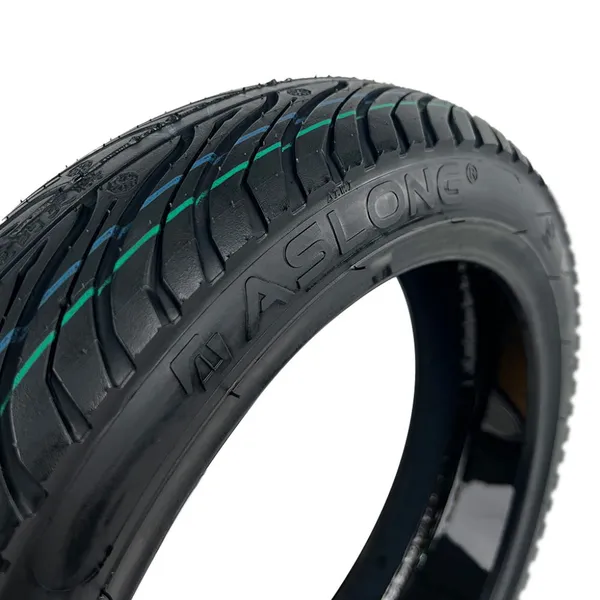 Read More
 -
The Ultimate Guide to Car Soundproofing Foam: Uses and Installation
July 14, 2026Car Sound Insulation Foam: Improve Comfort and Reduce NoiseDriving should be comfortable and quiet, but unwanted road noise, engin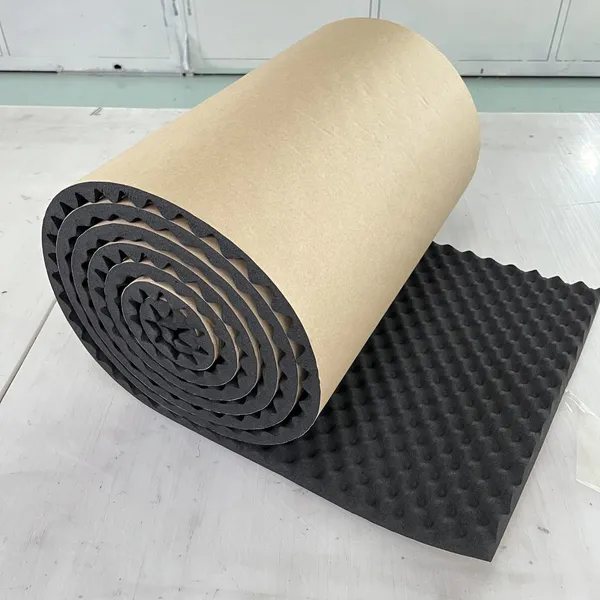 Read More
 -
How to stop tires from humming? | Insights by ASLONG
June 30, 2026Understanding and Mitigating Tire Humming NoiseTire humming noise is a common issue that can disrupt the comfort of your driving e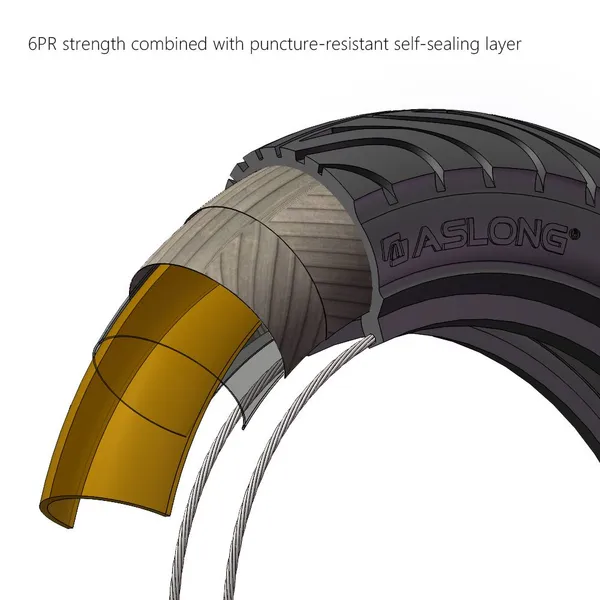 Read More
 -
Where to Put Soundproof Foam? | Expert Insights by ASLONG
June 27, 2026Where to Put Soundproof Foam? | Expert Insights by ASLONGMaximizing the acoustic performance of your space or vehicle starts with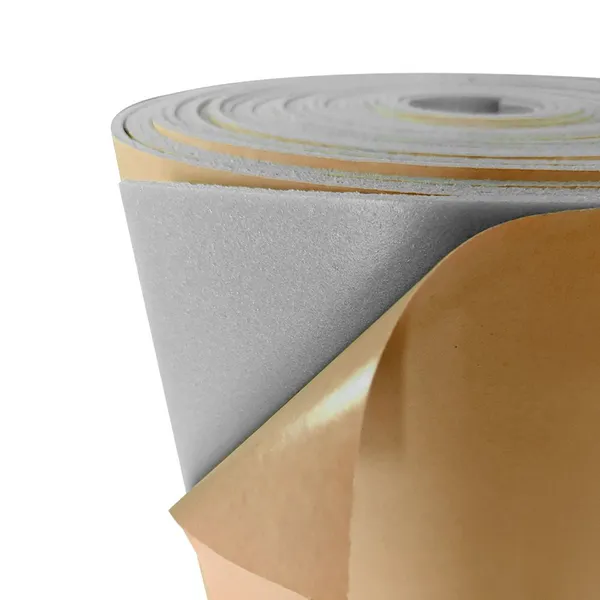 Read More

Contact Us
Recommended Products
-
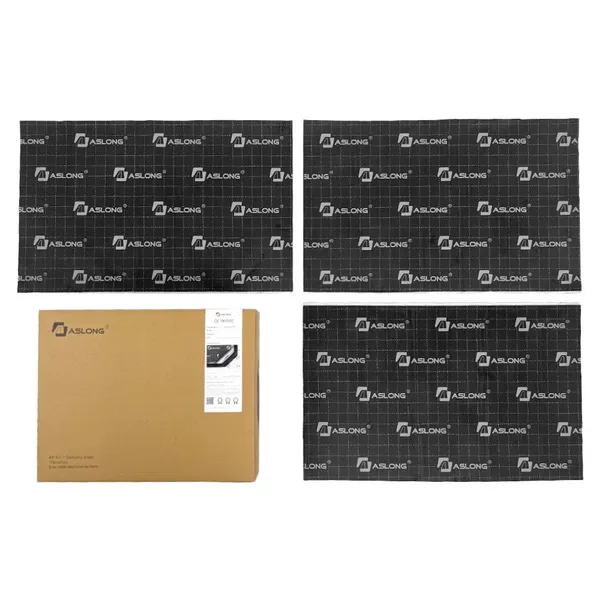
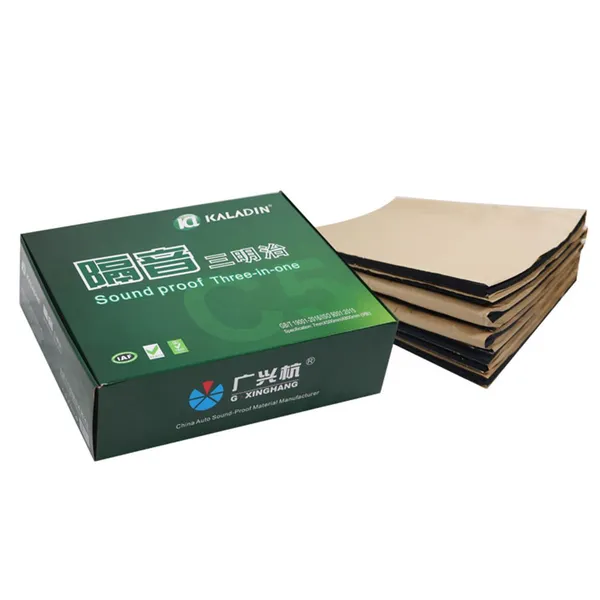
 ASLONG 3-in-1 Low-Frequency King 7mm Thick Full Car Sound Deadening | Factory Direct | Small MOQ OEM CustomNegotiableMOQ: 500 Boxes
 -
High Density Damping Soundproof Felt (MLV) for Pipe & Floor InsulationNegotiableMOQ: 50 Boxes
-
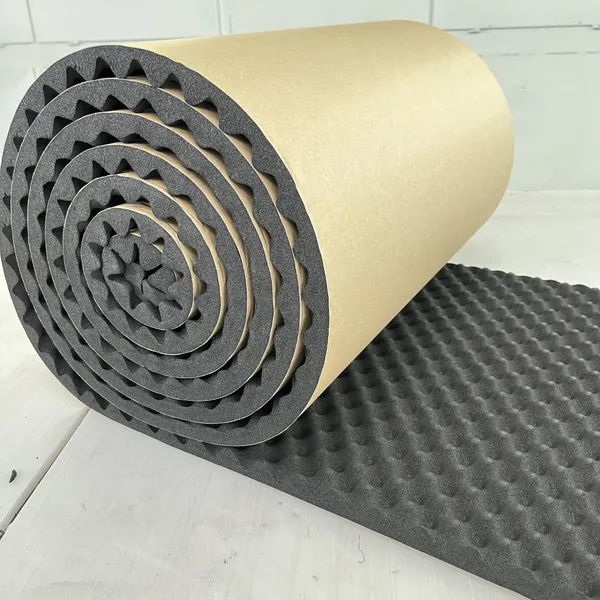
Factory Direct NBR Soundproof Foam | Custom Sizes Available Wholesale NBR Acoustic Panels – Cost-Effective Noise Control SolutionNegotiableMOQ: 10 Rolls
-
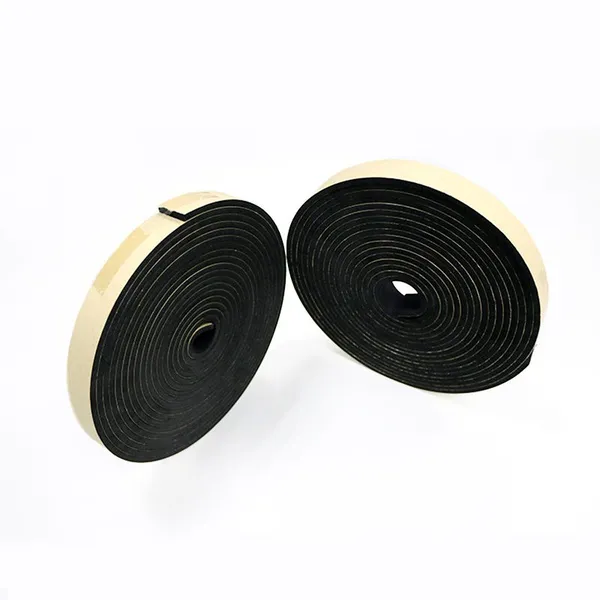
NBR Trending Keywords for Acoustic Sealing Strips Hot Keywords Popular Search Terms Acoustic WeatherstrippingNegotiableMOQ: 50 Rolls
-
XPE Sound Insulation Foam Cross-linked Polyethylene Acoustic Pad Eco-friendly Floor Underlayment XPE Thermal and Sound Insulation MaterialNegotiableMOQ: 10 Rolls
-
Mass Loaded Vinyl (MLV) Soundproofing Mat Acoustic Mat Sound Deadening MatUS$ 38MOQ: 10 Cartons
-
Specially for 50# Pipes Reduce Water Pipe Noise in High-rise Buildings Soundproof Water Pipes in High-rise BuildingsUS$ 8MOQ: 10 Blades
-
Specially for 75# Pipes Reduce Water Pipe Noise in High-rise Buildings Soundproof Water Pipes in High-rise BuildingsUS$ 11MOQ: 10 Blades
-
Specially for 110# Pipes Reduce Water Pipe Noise in High-rise Buildings Soundproof Water Pipes in High-rise BuildingsUS$ 16.9MOQ: 10 Blades
-
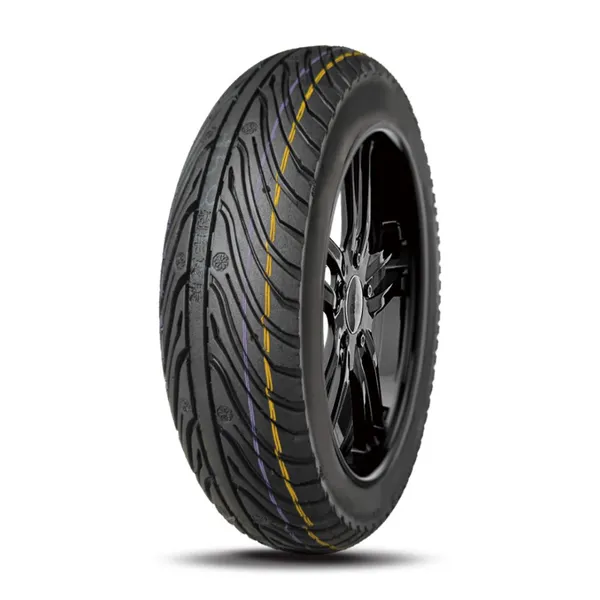
Self-healing Tubeless Tire for Electric Scooter MotorcycleUS$ 20 - 30MOQ: 10 Units
-
Wholesale Factory Price OEM 2mm Thickness ASLONG Car Sound Absorbing and Heat Insulation MatsUS$ 2.5 - 2.75MOQ: 499 Blades
-
NBR Heat Resistant Composite Glass Fiber Aluminum Foil Anti-oxidation Roof Ceiling Thermal Insulation Foam Sound Absorbing FoamUS$ 4.1 - 4.3MOQ: 499 Blades
-
460*800mm Soundproofing Materials Car Doors Sound DeadeningUS$ 60 - 64MOQ: 49 Cartons
-
Heavy-Duty Protection Noise Cancellation Self-Sealing Puncture-proof Tire FoamUS$ 16.9MOQ: 8 Blades