 Business License

How to Clean Tire Inner Surface Before Installing Tire Foam for Better Adhesion
How to Clean the Tire Well Before Installing Foam
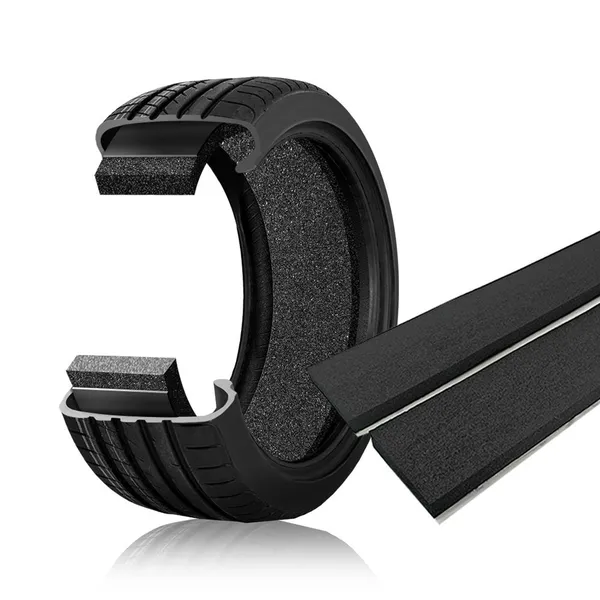
Installing acoustic tire foam is an effective way to reduce tire cavity noise and improve driving comfort. However, the performance of tire foam depends heavily on proper surface preparation. Before installing the foam inside the tire, the inner liner must be cleaned correctly to remove dust, oil, mold release agents, and other contaminants that may affect adhesive bonding.
A clean tire surface ensures maximum contact between the adhesive layer and the rubber surface, helping prevent foam detachment during driving.
Why Cleaning the Tire Before Foam Installation Is Important
During tire manufacturing and storage, the inner surface of a tire may contain:
Rubber processing oils
Mold release agents
Dust and dirt
Silicone-based contaminants
Moisture
Transportation residues
These substances can reduce the bonding strength of the adhesive.
Even if the adhesive feels very sticky by hand, contamination on the tire surface can create a weak boundary layer between the adhesive and rubber, causing the foam to loosen or fall off over time.
Proper cleaning allows the adhesive to directly contact the tire rubber surface and improves long-term durability.
Step-by-Step Tire Cleaning Process Before Installing Foam
Step 1: Remove Loose Dust and Dirt
Before using any cleaner, remove loose particles from the tire inner liner.
Recommended methods:
Use a clean dry cloth
Use compressed air to remove dust
Brush away visible dirt
Avoid using dirty towels because oil or grease contamination can transfer back onto the tire surface.
Step 2: Clean the Tire Surface with Cleaning Agent
Use a suitable tire surface cleaner or alcohol-based cleaning solution to remove oil and grease.
Recommended cleaning procedure:
Apply cleaning solution to the tire surface.
Wipe the installation area thoroughly.
Make sure all visible dirt and oil residues are removed.
The purpose of the cleaning agent is to dissolve oil contamination and other residues.
Step 3: Rinse with Clean Water or Wet Cloth
Cleaning agents dissolve contaminants, but the dissolved residues may remain on the tire surface.
Therefore, after cleaning:
Use clean water or a clean wet cloth.
Wipe the surface at least two times.
Remove all remaining cleaning agent and dissolved contaminants.
This step is very important because leftover chemicals may reduce adhesive performance.
Step 4: Dry the Tire Completely
Before applying tire foam:
The tire surface must be completely dry.
No moisture should remain.
Avoid installing foam immediately after wet cleaning.
You can use:
A dry microfiber cloth
Compressed air
A hair dryer or air blower
A dry surface helps the adhesive achieve better initial bonding.
Step 5: Install the Tire Foam Correctly
After cleaning and drying:
Peel off the release liner carefully.
Avoid touching the adhesive surface with your hands.
Position the foam correctly before pressing.
Use a pressure roller to apply force evenly.
Recommended rolling method:
Start from the center.
Press toward both sides.
Remove trapped air.
Apply strong and even pressure.
Higher installation pressure helps improve adhesive contact with the tire surface.
Common Mistakes During Tire Foam Installation
1. Installing Foam Without Cleaning the Tire
Dust and oil contamination are the most common reasons for poor adhesion.
2. Using Only a Wet Wipe
A wet wipe may remove some dirt, but it may not completely remove oil residues.
A proper process should include:
Cleaning agent → clean water wipe → drying
3. Using a Dirty Cloth
A cloth containing oil, grease, or silicone residue can contaminate the tire again.
Always use a clean dedicated towel.
4. Installing on a Wet Tire Surface
Moisture between the adhesive and tire rubber can reduce bonding strength.
Always ensure the tire is completely dry before installation.
Benefits of Proper Tire Surface Preparation
Correct cleaning before installing tire foam provides:
✅ Stronger adhesive bonding
✅ Reduced risk of foam detachment
✅ Longer service life
✅ Better noise reduction performance
✅ More stable performance under high-speed driving conditions
Recently Posted
-
The Ultimate Guide to Car Soundproofing Foam: Uses and Installation
July 14, 2026Car Sound Insulation Foam: Improve Comfort and Reduce NoiseDriving should be comfortable and quiet, but unwanted road noise, engin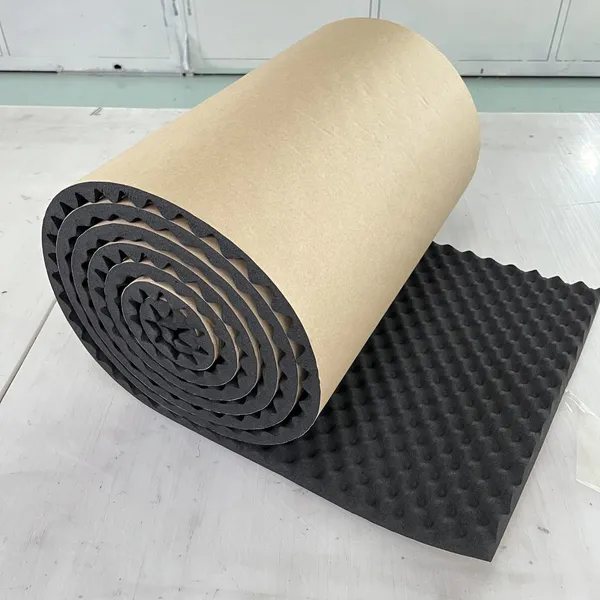 Read More
 -
Market Trend: Noise Management and the Growing Need for Soundproofing in EVs
July 11, 2026Market Hotspot: Noise Control & Growing Demand for Soundproofing in EVsIntroductionThe rapid expansion of the electric vehicle Read More
 -
How to stop tires from humming? | Insights by ASLONG
June 30, 2026Understanding and Mitigating Tire Humming NoiseTire humming noise is a common issue that can disrupt the comfort of your driving e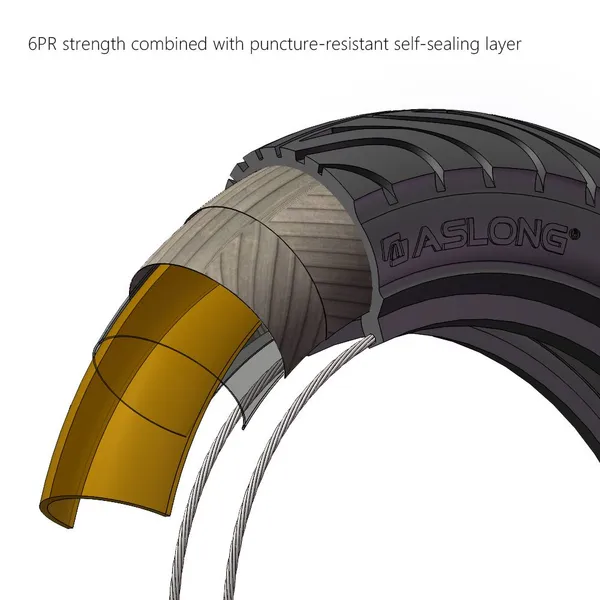 Read More
 -
Where to Put Soundproof Foam? | Expert Insights by ASLONG
June 27, 2026Where to Put Soundproof Foam? | Expert Insights by ASLONGMaximizing the acoustic performance of your space or vehicle starts with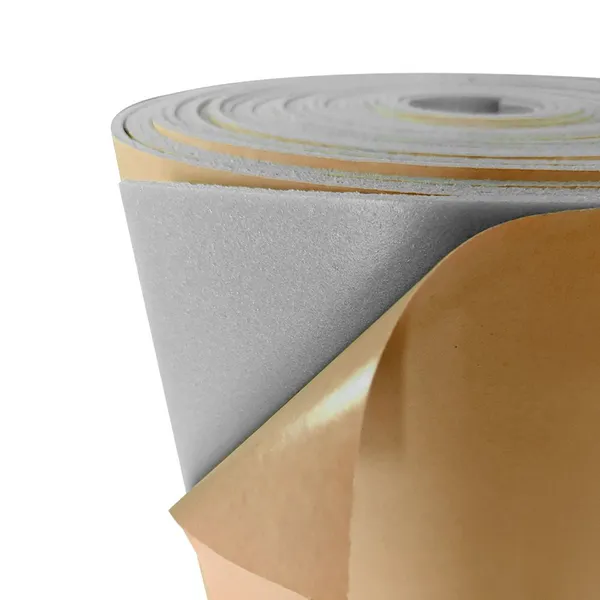 Read More

Contact Us
Recommended Products
-
 ASLONG 3-in-1 Low-Frequency King 7mm Thick Full Car Sound Deadening | Factory Direct | Small MOQ OEM CustomNegotiableMOQ: 500 Boxes
 -
High Density Damping Soundproof Felt (MLV) for Pipe & Floor InsulationNegotiableMOQ: 50 Boxes
-
Factory Direct NBR Soundproof Foam | Custom Sizes Available Wholesale NBR Acoustic Panels – Cost-Effective Noise Control SolutionNegotiableMOQ: 10 Rolls
-
NBR Trending Keywords for Acoustic Sealing Strips Hot Keywords Popular Search Terms Acoustic WeatherstrippingNegotiableMOQ: 50 Rolls
-
XPE Sound Insulation Foam Cross-linked Polyethylene Acoustic Pad Eco-friendly Floor Underlayment XPE Thermal and Sound Insulation MaterialNegotiableMOQ: 10 Rolls
-
Mass Loaded Vinyl (MLV) Soundproofing Mat Acoustic Mat Sound Deadening MatUS$ 38MOQ: 10 Cartons
-
Specially for 50# Pipes Reduce Water Pipe Noise in High-rise Buildings Soundproof Water Pipes in High-rise BuildingsUS$ 8MOQ: 10 Blades
-
Specially for 75# Pipes Reduce Water Pipe Noise in High-rise Buildings Soundproof Water Pipes in High-rise BuildingsUS$ 11MOQ: 10 Blades
-
Specially for 110# Pipes Reduce Water Pipe Noise in High-rise Buildings Soundproof Water Pipes in High-rise BuildingsUS$ 16.9MOQ: 10 Blades
-
Self-healing Tubeless Tire for Electric Scooter MotorcycleUS$ 20 - 30MOQ: 10 Units
-
Wholesale Factory Price OEM 2mm Thickness ASLONG Car Sound Absorbing and Heat Insulation MatsUS$ 2.5 - 2.75MOQ: 499 Blades
-
NBR Heat Resistant Composite Glass Fiber Aluminum Foil Anti-oxidation Roof Ceiling Thermal Insulation Foam Sound Absorbing FoamUS$ 4.1 - 4.3MOQ: 499 Blades
-
460*800mm Soundproofing Materials Car Doors Sound DeadeningUS$ 60 - 64MOQ: 49 Cartons
-
Heavy-Duty Protection Noise Cancellation Self-Sealing Puncture-proof Tire FoamUS$ 16.9MOQ: 8 Blades