 Business License

Where to Put Soundproof Foam? | Expert Insights by ASLONG
Where to Put Soundproof Foam? | Expert Insights by ASLONG
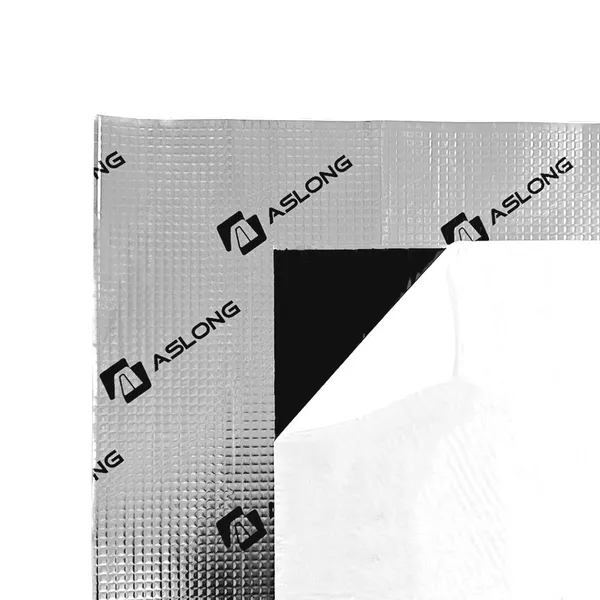
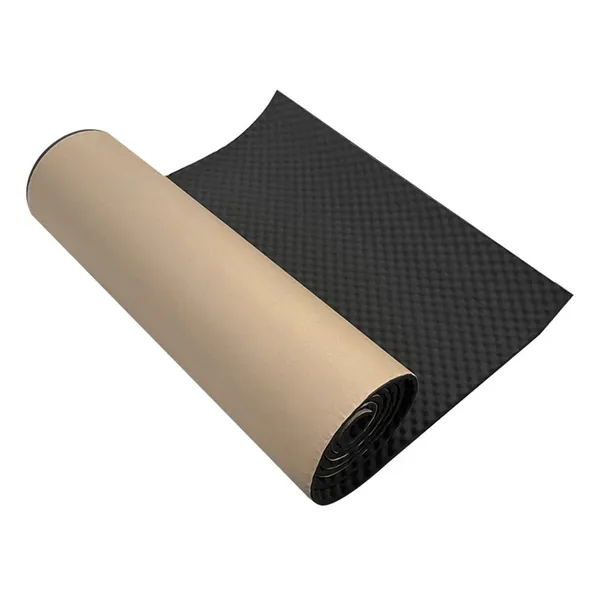
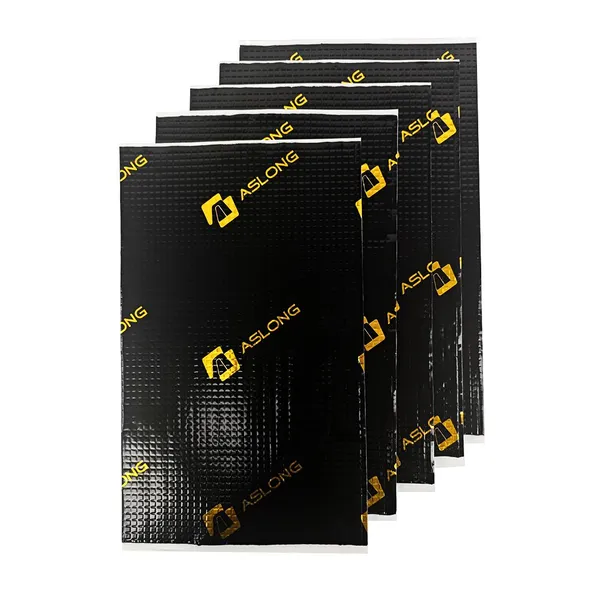
Maximizing the acoustic performance of your space or vehicle starts with proper installation. Based on insights from ASLONG, a leader in high-end acoustic and damping materials, the effectiveness of soundproof foam (such as XPE/IXPE foam or butyl rubber pads) relies heavily on strategic placement.
Here is your comprehensive guide to installing soundproof foam for maximum noise reduction and thermal insulation.
1. Automotive Interior Applications
In the automotive sector, XPE foam is essential for creating a premium, quiet cabin environment.
Vehicle Body Panels: Apply directly to the roof, dashboard, and door panels to serve as an effective thermal and acoustic insulation barrier.
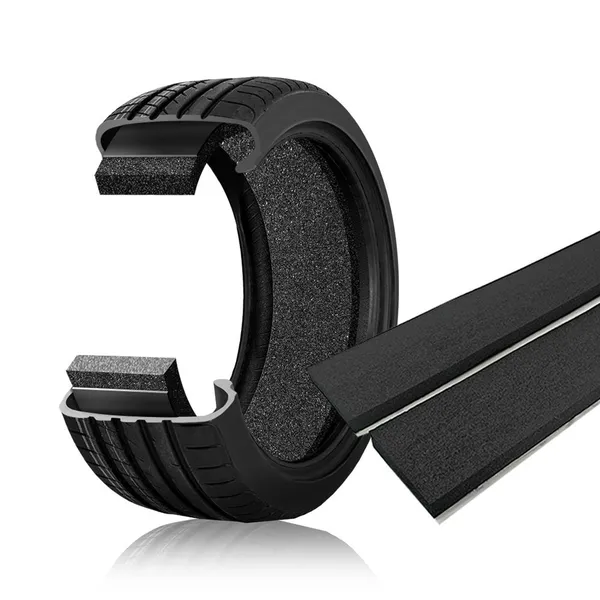
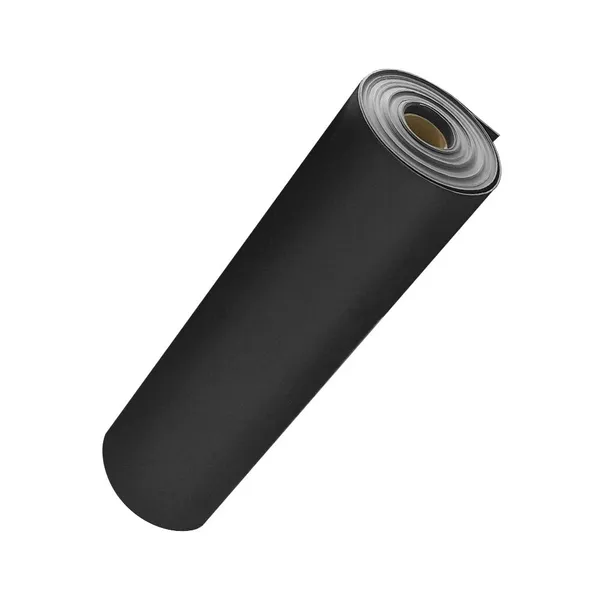
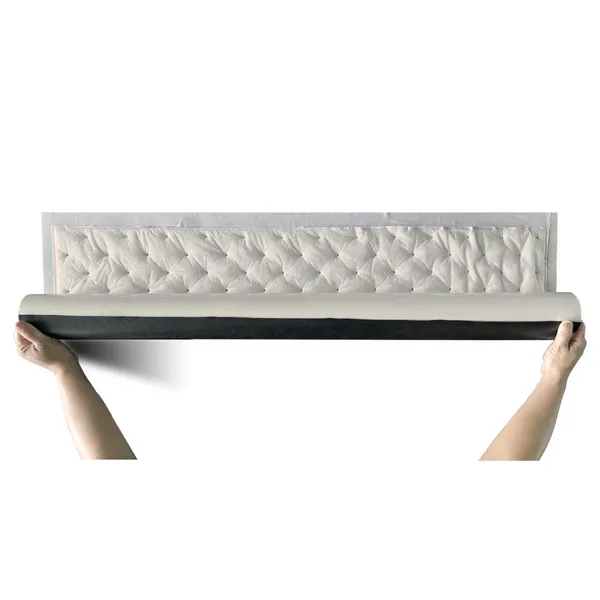
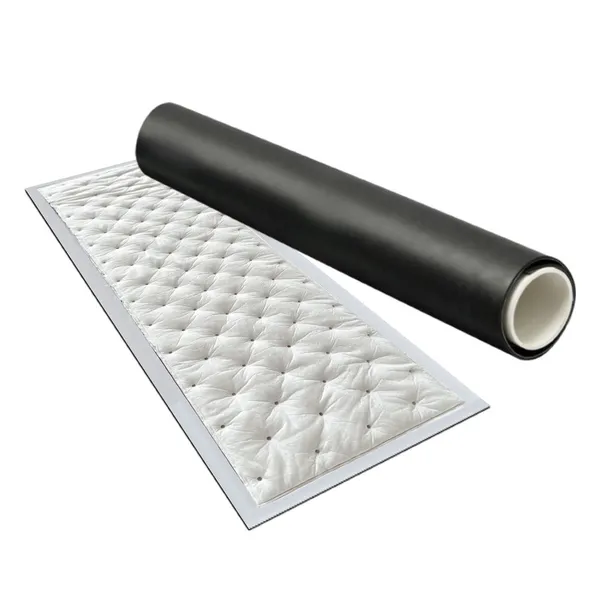
Tire Enclosures: Utilize specialized tire silence cotton inside wheel wells to significantly reduce road and tire noise.
HVAC Systems: Wrap car air conditioning pipes with XPE foam to minimize cold loss and dampen system vibrations.
2. Building Construction & Flooring
For residential and commercial buildings, XPE/IXPE foam acts as a crucial acoustic decoupling layer, especially in "floating floor" systems.
Floor Underlayment: Install beneath laminate, hardwood, or tile flooring to buffer footstep impacts and reduce airborne noise transfer between floors.
Wall & Ceiling Linings: Use as an underlying acoustic pad beneath plasterboard or ceiling systems to dampen sound transmission.
Balconies & Terraces: Apply on the indoor side of balconies to provide an extra layer of acoustic comfort and thermal insulation.
3. HVAC & Piping Systems
Ductwork: Wrap HVAC ducts with thin, flexible foam insulation to prevent mechanical noise from traveling through ventilation systems.
Plumbing: Apply around water pipes and drainage systems to effectively muffle the sound of rushing water.
4. Specialized & Industrial Applications
Acoustic Engineering: Ideal for recording studios, theaters, libraries, hospitals, and hotels where strict noise control is required.
Equipment Vibration Damping: Place under precision instruments or heavy machinery to absorb structural vibrations and prevent noise propagation.
⚠️ Important Placement Limitations: Where NOT to Install
According to industry guidelines, XPE foam should be treated as an auxiliary acoustic and thermal layer. Avoid placing it in the following scenarios:
As the primary structural insulation for exterior building facades or roofs.
In areas exposed directly to UV rays, rain, or extreme freeze-thaw cycles without protective cladding.
Under heavy industrial rolling loads, as it cannot replace high-load structural insulation.
For high-temperature fluid pipe insulation (mineral wool or elastomeric materials are required instead).
Recently Posted
-
How to Clean Tire Inner Surface Before Installing Tire Foam for Better Adhesion
July 24, 2026How to Clean the Tire Well Before Installing FoamInstalling acoustic tire foam is an effective way to reduce tire cavity noise and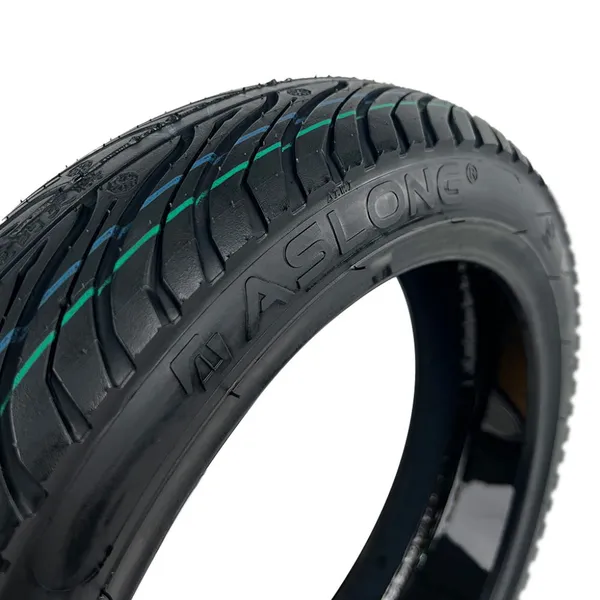 Read More
 -
The Ultimate Guide to Car Soundproofing Foam: Uses and Installation
July 14, 2026Car Sound Insulation Foam: Improve Comfort and Reduce NoiseDriving should be comfortable and quiet, but unwanted road noise, engin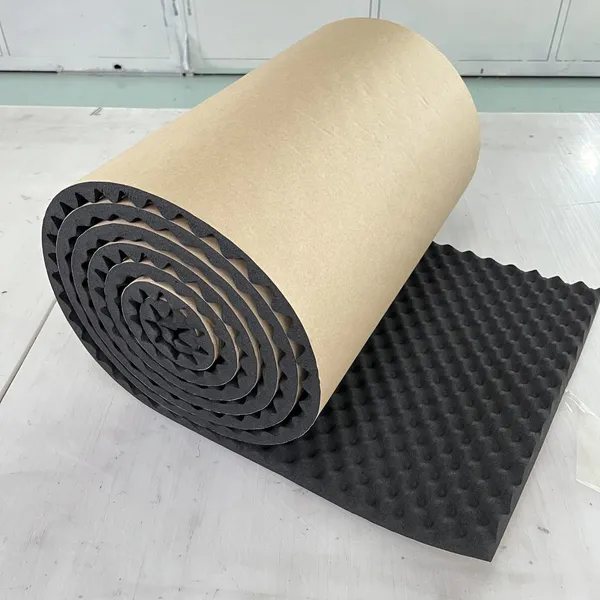 Read More
 -
Market Trend: Noise Management and the Growing Need for Soundproofing in EVs
July 11, 2026Market Hotspot: Noise Control & Growing Demand for Soundproofing in EVsIntroductionThe rapid expansion of the electric vehicle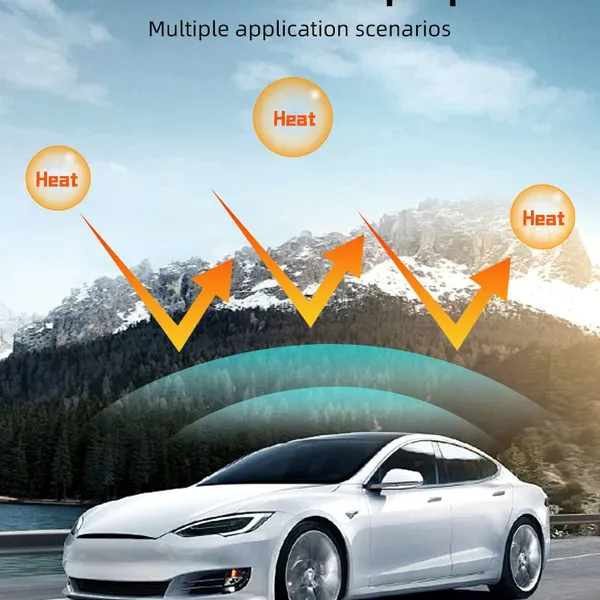 Read More
 -
How to stop tires from humming? | Insights by ASLONG
June 30, 2026Understanding and Mitigating Tire Humming NoiseTire humming noise is a common issue that can disrupt the comfort of your driving e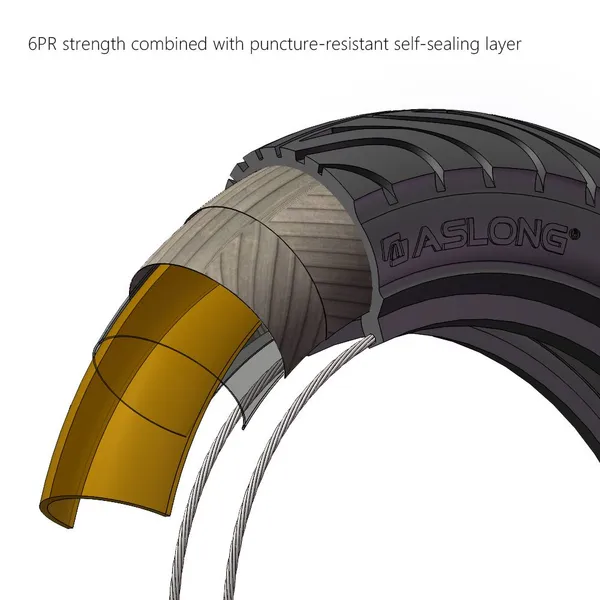 Read More

Contact Us
Recommended Products
-
 ASLONG 3-in-1 Low-Frequency King 7mm Thick Full Car Sound Deadening | Factory Direct | Small MOQ OEM CustomNegotiableMOQ: 500 Boxes
 -
High Density Damping Soundproof Felt (MLV) for Pipe & Floor InsulationNegotiableMOQ: 50 Boxes
-
Factory Direct NBR Soundproof Foam | Custom Sizes Available Wholesale NBR Acoustic Panels – Cost-Effective Noise Control SolutionNegotiableMOQ: 10 Rolls
-
NBR Trending Keywords for Acoustic Sealing Strips Hot Keywords Popular Search Terms Acoustic WeatherstrippingNegotiableMOQ: 50 Rolls
-
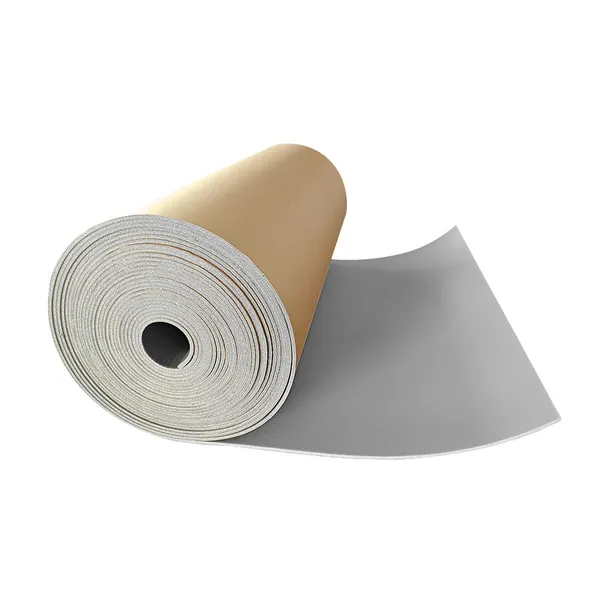
XPE Sound Insulation Foam Cross-linked Polyethylene Acoustic Pad Eco-friendly Floor Underlayment XPE Thermal and Sound Insulation MaterialNegotiableMOQ: 10 Rolls
-
Mass Loaded Vinyl (MLV) Soundproofing Mat Acoustic Mat Sound Deadening MatUS$ 38MOQ: 10 Cartons
-
Specially for 50# Pipes Reduce Water Pipe Noise in High-rise Buildings Soundproof Water Pipes in High-rise BuildingsUS$ 8MOQ: 10 Blades
-
Specially for 75# Pipes Reduce Water Pipe Noise in High-rise Buildings Soundproof Water Pipes in High-rise BuildingsUS$ 11MOQ: 10 Blades
-
Specially for 110# Pipes Reduce Water Pipe Noise in High-rise Buildings Soundproof Water Pipes in High-rise BuildingsUS$ 16.9MOQ: 10 Blades
-
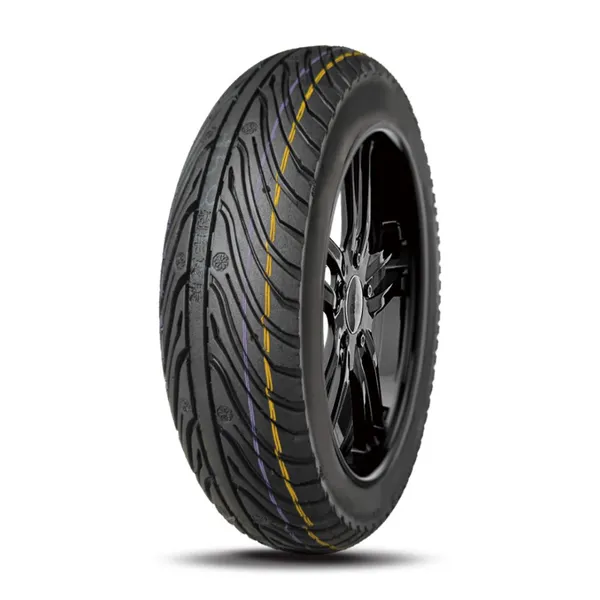
Self-healing Tubeless Tire for Electric Scooter MotorcycleUS$ 20 - 30MOQ: 10 Units
-
Wholesale Factory Price OEM 2mm Thickness ASLONG Car Sound Absorbing and Heat Insulation MatsUS$ 2.5 - 2.75MOQ: 499 Blades
-
NBR Heat Resistant Composite Glass Fiber Aluminum Foil Anti-oxidation Roof Ceiling Thermal Insulation Foam Sound Absorbing FoamUS$ 4.1 - 4.3MOQ: 499 Blades
-
460*800mm Soundproofing Materials Car Doors Sound DeadeningUS$ 60 - 64MOQ: 49 Cartons
-
Heavy-Duty Protection Noise Cancellation Self-Sealing Puncture-proof Tire FoamUS$ 16.9MOQ: 8 Blades