 Business License

Does soundproofing foam actually work? | Insights by ASLONG
Soundproofing foam is a popular choice for enhancing room acoustics and reducing noise. However, understanding its capabilities and limitations is crucial for effective noise management.
What Is Soundproofing Foam?
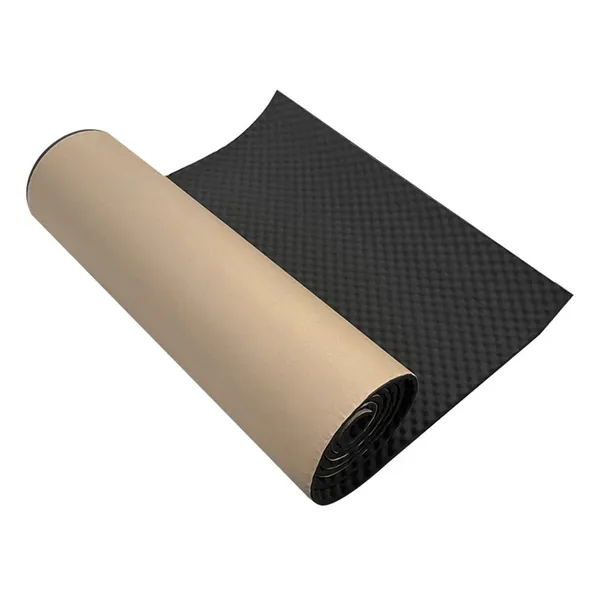
Soundproofing foam, often referred to as acoustic foam, is an open-celled material designed to absorb sound waves, thereby reducing echoes and reverberations within a space. It's commonly used in recording studios, home theaters, and other environments where sound quality is paramount.
Does Soundproofing Foam Block Sound?
Contrary to its name, soundproofing foam does not block sound from entering or leaving a room. Instead, it absorbs sound waves, primarily affecting mid to high-frequency noises. This absorption helps in reducing echoes and improving the clarity of sounds within the room. For instance, in a recording studio, acoustic foam can enhance vocal clarity by minimizing reverberations.
Is Thicker Foam Always Better?
While thicker foam can absorb a broader range of frequencies, there is a point of diminishing returns. For example, 4-inch foam panels are effective at absorbing lower mid-range frequencies compared to 1-inch panels. However, beyond 4 inches, the additional absorption becomes less significant. For bass frequencies, dense materials like mineral wool are more effective.
Can Spray Foam Stop Noise Between Rooms?
Spray foam can seal air gaps, which may slightly reduce sound transmission. However, its density is much lower than that of materials like drywall, making it less effective for significant noise reduction between rooms. It's best used as an air sealant rather than a primary soundproofing solution.
What Is the Noise Reduction Coefficient (NRC) of Acoustic Foam?
The Noise Reduction Coefficient (NRC) measures how effectively a material absorbs sound. Acoustic foam with an NRC of 0.65 at 2-inch thickness is considered good, with 0.8 or higher being ideal for speech-range absorption. Thicker foam generally offers better absorption, especially for lower frequencies.
How Long Does Acoustic Foam Last?
The lifespan of acoustic foam varies based on usage and environmental conditions. Typically, it lasts around 3 to 5 years. Over time, foam can degrade, especially in humid environments, leading to yellowing, crumbling, or loss of effectiveness. Regular inspection and maintenance are recommended to ensure optimal performance.
What Are the Limitations of Soundproofing Foam?
While acoustic foam is effective at reducing echoes and improving sound clarity, it has limitations:
Low-Frequency Sounds: Foam is less effective at blocking low-frequency sounds, such as deep bass or vibrations. These sounds have longer wavelengths and require more substantial materials to be effectively absorbed or blocked.
Structural Sound Transmission: Foam does not address sound transmission through walls, floors, or ceilings. To block sound between rooms, additional soundproofing measures are necessary.
How to Enhance Soundproofing Effectiveness?
To achieve comprehensive soundproofing, consider combining acoustic foam with other materials and techniques:
Adding Mass: Incorporate dense materials like mass-loaded vinyl (MLV) to block sound transmission.
Decoupling Structures: Use techniques such as resilient channels or isolation clips to prevent sound vibrations from traveling through building structures.
Sealing Gaps: Apply acoustic sealants to fill gaps and cracks in walls, windows, and doors to prevent sound leakage.
Conclusion
Soundproofing foam is a valuable tool for improving room acoustics by reducing echoes and enhancing sound clarity. However, for effective noise reduction, especially concerning low-frequency sounds and sound transmission between rooms, it's essential to integrate foam with other soundproofing materials and techniques. By understanding the strengths and limitations of acoustic foam, you can make informed decisions to create a more acoustically comfortable environment.
About ASLONG
ASLONG offers a comprehensive range of soundproofing solutions tailored to meet diverse acoustic needs. With a focus on quality and innovation, ASLONG provides products that effectively address both sound absorption and transmission challenges, ensuring optimal acoustic performance in various settings.
Recently Posted
-
How to Clean Tire Inner Surface Before Installing Tire Foam for Better Adhesion
July 24, 2026How to Clean the Tire Well Before Installing FoamInstalling acoustic tire foam is an effective way to reduce tire cavity noise and Read More
 -
The Ultimate Guide to Car Soundproofing Foam: Uses and Installation
July 14, 2026Car Sound Insulation Foam: Improve Comfort and Reduce NoiseDriving should be comfortable and quiet, but unwanted road noise, engin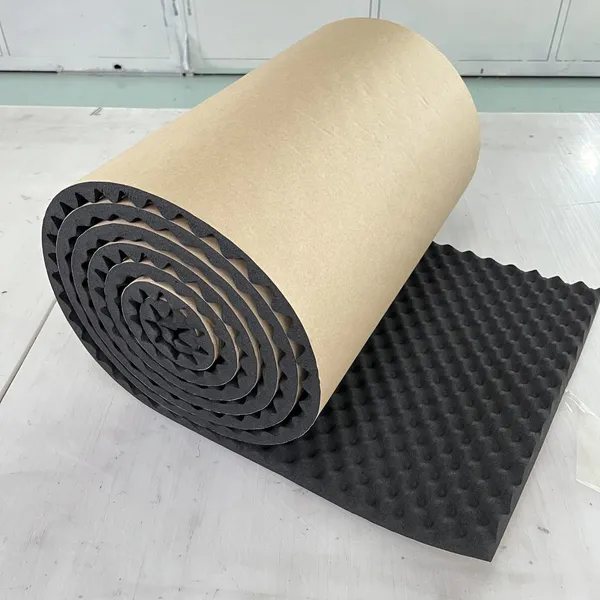 Read More
 -
Market Trend: Noise Management and the Growing Need for Soundproofing in EVs
July 11, 2026Market Hotspot: Noise Control & Growing Demand for Soundproofing in EVsIntroductionThe rapid expansion of the electric vehicle Read More
 -
How to stop tires from humming? | Insights by ASLONG
June 30, 2026Understanding and Mitigating Tire Humming NoiseTire humming noise is a common issue that can disrupt the comfort of your driving e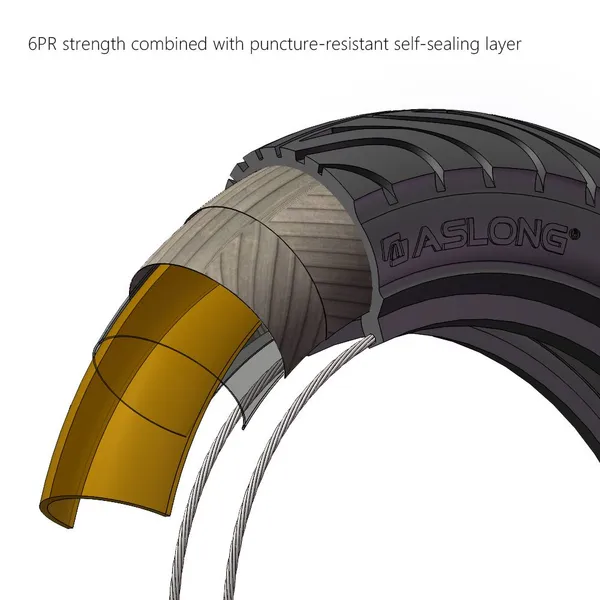 Read More

Contact Us
Recommended Products
-
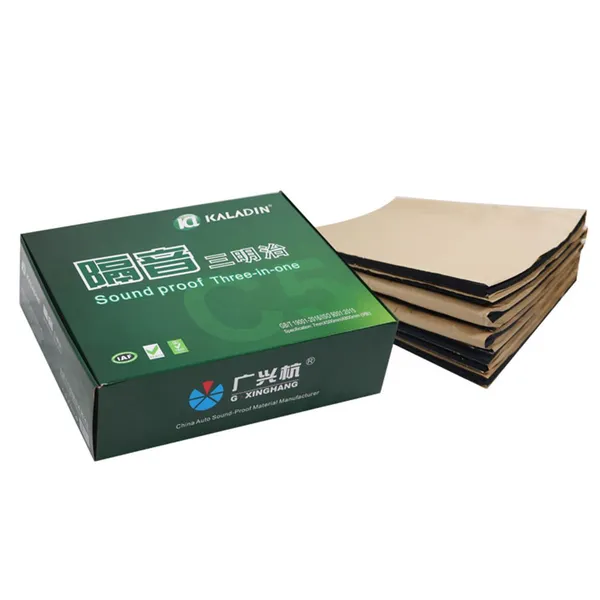
 ASLONG 3-in-1 Low-Frequency King 7mm Thick Full Car Sound Deadening | Factory Direct | Small MOQ OEM CustomNegotiableMOQ: 500 Boxes
 -
High Density Damping Soundproof Felt (MLV) for Pipe & Floor InsulationNegotiableMOQ: 50 Boxes
-
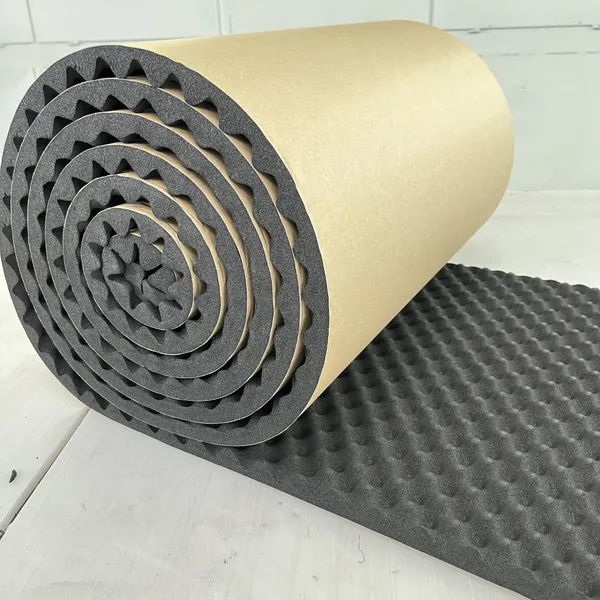
Factory Direct NBR Soundproof Foam | Custom Sizes Available Wholesale NBR Acoustic Panels – Cost-Effective Noise Control SolutionNegotiableMOQ: 10 Rolls
-
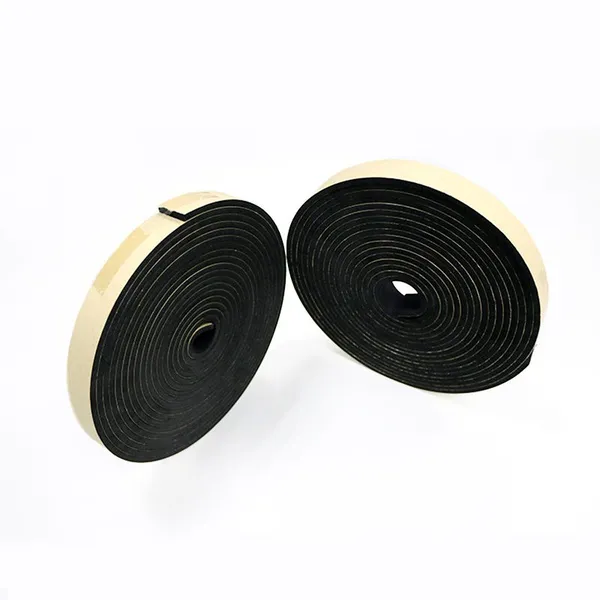
NBR Trending Keywords for Acoustic Sealing Strips Hot Keywords Popular Search Terms Acoustic WeatherstrippingNegotiableMOQ: 50 Rolls
-
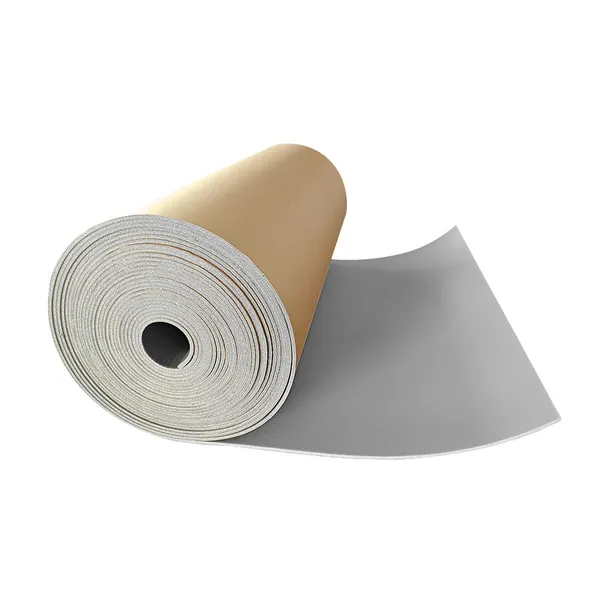
XPE Sound Insulation Foam Cross-linked Polyethylene Acoustic Pad Eco-friendly Floor Underlayment XPE Thermal and Sound Insulation MaterialNegotiableMOQ: 10 Rolls
-
Mass Loaded Vinyl (MLV) Soundproofing Mat Acoustic Mat Sound Deadening MatUS$ 38MOQ: 10 Cartons
-
Specially for 50# Pipes Reduce Water Pipe Noise in High-rise Buildings Soundproof Water Pipes in High-rise BuildingsUS$ 8MOQ: 10 Blades
-
Specially for 75# Pipes Reduce Water Pipe Noise in High-rise Buildings Soundproof Water Pipes in High-rise BuildingsUS$ 11MOQ: 10 Blades
-
Specially for 110# Pipes Reduce Water Pipe Noise in High-rise Buildings Soundproof Water Pipes in High-rise BuildingsUS$ 16.9MOQ: 10 Blades
-
Self-healing Tubeless Tire for Electric Scooter MotorcycleUS$ 20 - 30MOQ: 10 Units
-
Wholesale Factory Price OEM 2mm Thickness ASLONG Car Sound Absorbing and Heat Insulation MatsUS$ 2.5 - 2.75MOQ: 499 Blades
-
NBR Heat Resistant Composite Glass Fiber Aluminum Foil Anti-oxidation Roof Ceiling Thermal Insulation Foam Sound Absorbing FoamUS$ 4.1 - 4.3MOQ: 499 Blades
-
460*800mm Soundproofing Materials Car Doors Sound DeadeningUS$ 60 - 64MOQ: 49 Cartons
-
Heavy-Duty Protection Noise Cancellation Self-Sealing Puncture-proof Tire FoamUS$ 16.9MOQ: 8 Blades