 Business License

Automotive Damping Materials for Engine & Chassis Applications: Enhancing Vehicle Comfort, Performan
Automotive Damping Materials for Engine & Chassis Applications: Enhancing Vehicle Comfort, Performance, and Durability
Introduction
As automotive technology continues to evolve, manufacturers are placing greater emphasis on Noise, Vibration, and Harshness (NVH) control. Consumers today expect vehicles that are quieter, smoother, and more comfortable than ever before. Whether in traditional internal combustion engine (ICE) vehicles, hybrid models, or electric vehicles (EVs), controlling unwanted vibrations and noise has become a critical aspect of vehicle design.
One of the most effective solutions is the use of automotive damping materials in engine and chassis applications. These materials absorb, dissipate, and reduce vibrations before they can generate noise or compromise vehicle comfort.
This article explores the importance of automotive damping materials, their applications, types, benefits, and future trends in vehicle engineering.
What Are Automotive Damping Materials?
Automotive damping materials are specialized products designed to convert mechanical vibration energy into low-level heat energy, thereby reducing resonance and vibration transmission throughout the vehicle structure.
They are commonly installed in:
Engine compartments
Floor panels
Firewalls
Chassis frames
Wheel wells
Doors
Roof panels
Trunk compartments
The primary goal is to minimize structure-borne noise and improve overall driving comfort.
Why Engine and Chassis Damping Matters
Engine Vibrations
The engine is one of the largest sources of vibration in a vehicle. During operation, combustion events, moving components, and rotational forces generate continuous vibrations.
Without proper damping:
Cabin noise increases
Driver fatigue rises
Components experience accelerated wear
Vehicle refinement decreases
Modern vehicles use damping materials around the engine bay and firewall to isolate these vibrations before they reach the passenger compartment.
Chassis Vibrations
The chassis constantly experiences vibrations from:
Road irregularities
Tire contact
Suspension movement
Drivetrain operation
Aerodynamic forces
These vibrations can travel through the vehicle body and produce:
Rattles
Structural resonance
Road noise
Unpleasant cabin acoustics
Damping materials help suppress these vibrations and improve vehicle stability and comfort.
Types of Automotive Damping Materials
1. Butyl Rubber Damping Sheets
Butyl rubber is one of the most widely used damping materials in the automotive industry.
Features
Excellent vibration absorption
High durability
Water resistance
Heat resistance
Long service life
Strong self-adhesive properties
Applications
Engine firewall
Floor panels
Chassis sections
Wheel arches
Doors
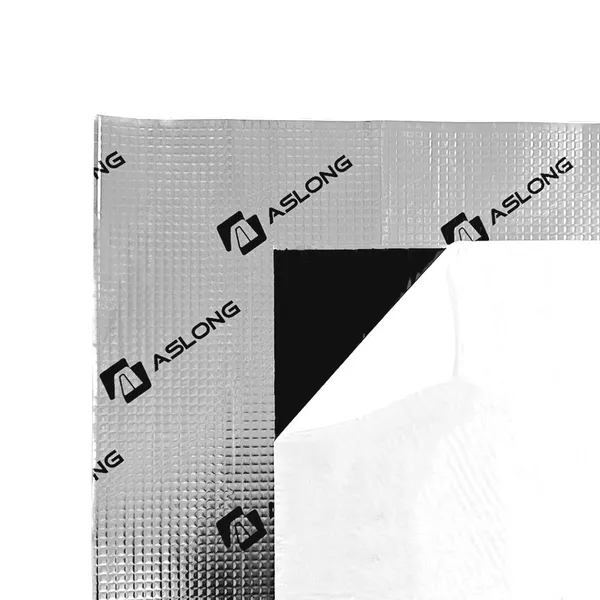
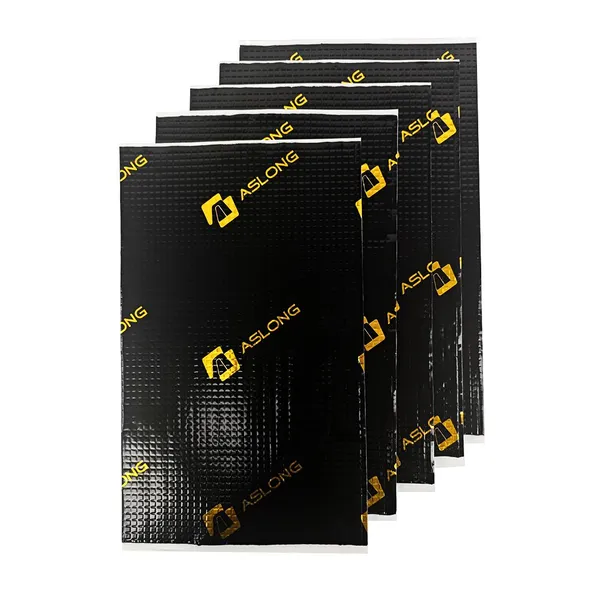
Many premium automotive soundproofing systems use aluminum foil-faced butyl rubber sheets for enhanced performance.
2. Constrained Layer Damping (CLD) Materials
CLD systems combine:
A viscoelastic damping layer
A rigid constraining layer
When vibration occurs, the damping layer deforms and dissipates energy.
Advantages
High damping efficiency
Lightweight design
Excellent NVH performance
Common Uses
Floor structures
Roof panels
Engine covers
Chassis components
3. Foam-Based Acoustic Damping Materials
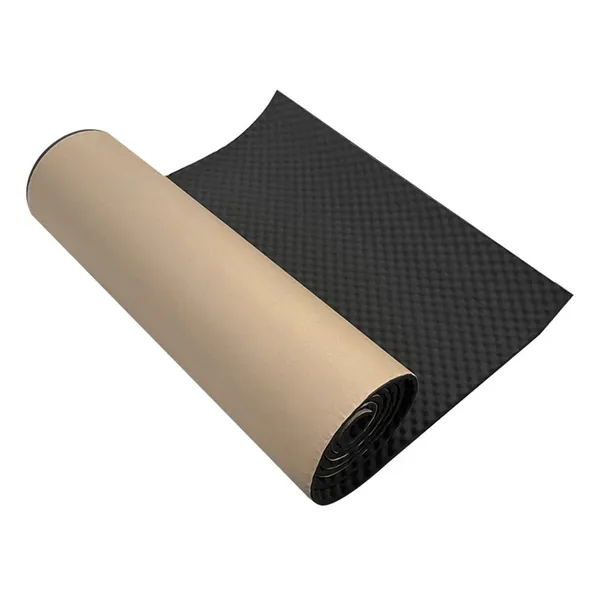
Acoustic foams are often paired with damping sheets to provide both vibration control and sound absorption.
Popular materials include:
NBR foam
PU foam
Melamine foam
Polyethylene foam
Benefits
Lightweight
Flexible installation
Thermal insulation
Noise absorption
4. Mass Loaded Vinyl (MLV)
MLV acts as a noise barrier rather than a vibration absorber.
When combined with butyl damping sheets, it creates a highly effective soundproofing system.
Applications
Cabin floors
Firewalls
Transmission tunnels
Chassis panels
Key Applications in Engine Systems
Engine Firewall Insulation
The firewall separates the engine compartment from the cabin.
Installing damping materials on the firewall can:
Reduce engine noise
Block vibration transfer
Improve passenger comfort
Engine Cover Treatment
Modern engine covers often integrate:
Damping layers
Acoustic foam
Heat-resistant insulation
These materials help suppress mechanical noise and improve engine compartment acoustics.
Hood and Bonnet Damping
Applying damping materials beneath the hood can reduce:
Engine vibration resonance
Metal panel vibrations
High-frequency engine noise
This contributes significantly to a quieter driving experience.
Key Applications in Chassis Systems
Floor Panel Damping
Vehicle floors are major pathways for road noise.
Damping materials applied to floor panels can reduce:
Tire noise
Road vibration
Drivetrain resonance
This is especially important for electric vehicles where road noise becomes more noticeable.
Wheel Well Treatment
Wheel arches are exposed to:
Tire impacts
Gravel strikes
Water spray
Road turbulence
Butyl rubber damping sheets combined with acoustic liners significantly reduce wheel-generated noise.
Suspension Mount Areas
Suspension systems transfer substantial vibration into the vehicle body.
Strategically placed damping materials help:
Reduce impact noise
Improve ride quality
Enhance structural durability
Benefits of Automotive Damping Materials
Improved NVH Performance
The most significant benefit is the reduction of:
Noise
Vibration
Harshness
Resulting in a more refined and premium driving experience.
Enhanced Driving Comfort
Passengers enjoy:
Quieter cabins
Reduced fatigue
Better communication
Improved audio system performance
Increased Vehicle Durability
By minimizing vibration-related stress, damping materials help:
Extend component lifespan
Reduce squeaks and rattles
Improve structural integrity
Better Thermal Insulation
Many damping materials also provide:
Heat resistance
Thermal insulation
Improved HVAC efficiency
This contributes to overall vehicle comfort.
Improved Electric Vehicle Performance
Electric vehicles have fewer engine noises, making other sounds more noticeable.
Damping materials help EV manufacturers address:
Tire noise
Wind noise
Chassis resonance
Motor vibration
As a result, advanced NVH solutions have become essential in EV design.
Choosing the Right Damping Material
When selecting automotive damping materials, manufacturers should evaluate:
Damping Efficiency
The material should effectively reduce vibration across a wide frequency range.
Weight
Lightweight solutions support fuel efficiency and EV range.
Temperature Resistance
Materials must withstand engine compartment temperatures.
Adhesion Strength
Reliable bonding ensures long-term durability.
Environmental Compliance
Products should comply with automotive environmental standards such as:
RoHS
REACH
OEM specifications
Future Trends in Automotive Damping Materials
Lightweight Damping Technologies
Automakers are seeking thinner and lighter materials without sacrificing NVH performance.
Smart Damping Materials
Researchers are developing materials that can adapt to changing vibration frequencies in real time.
Sustainable and Eco-Friendly Materials
The industry is increasingly adopting:
Recyclable materials
Low-VOC adhesives
Bio-based acoustic solutions
to meet environmental regulations and sustainability goals.
EV-Specific NVH Solutions
With global EV adoption accelerating, demand for advanced damping systems designed specifically for electric platforms is expected to grow rapidly.
Conclusion
Automotive damping materials play a crucial role in enhancing vehicle comfort, durability, and performance. From engine compartments to chassis structures, these materials effectively reduce vibration, suppress noise, and improve overall NVH characteristics.
Technologies such as butyl rubber damping sheets, constrained layer damping systems, acoustic foams, and Mass Loaded Vinyl continue to evolve, helping manufacturers meet growing consumer expectations for quieter and more refined vehicles.
As electric vehicles and lightweight automotive platforms become increasingly common, advanced damping materials will remain a key component of next-generation automotive engineering.
Recently Posted
-
How to Clean Tire Inner Surface Before Installing Tire Foam for Better Adhesion
July 24, 2026How to Clean the Tire Well Before Installing FoamInstalling acoustic tire foam is an effective way to reduce tire cavity noise and Read More
 -
The Ultimate Guide to Car Soundproofing Foam: Uses and Installation
July 14, 2026Car Sound Insulation Foam: Improve Comfort and Reduce NoiseDriving should be comfortable and quiet, but unwanted road noise, engin Read More
 -
Market Trend: Noise Management and the Growing Need for Soundproofing in EVs
July 11, 2026Market Hotspot: Noise Control & Growing Demand for Soundproofing in EVsIntroductionThe rapid expansion of the electric vehicle Read More
 -
How to stop tires from humming? | Insights by ASLONG
June 30, 2026Understanding and Mitigating Tire Humming NoiseTire humming noise is a common issue that can disrupt the comfort of your driving e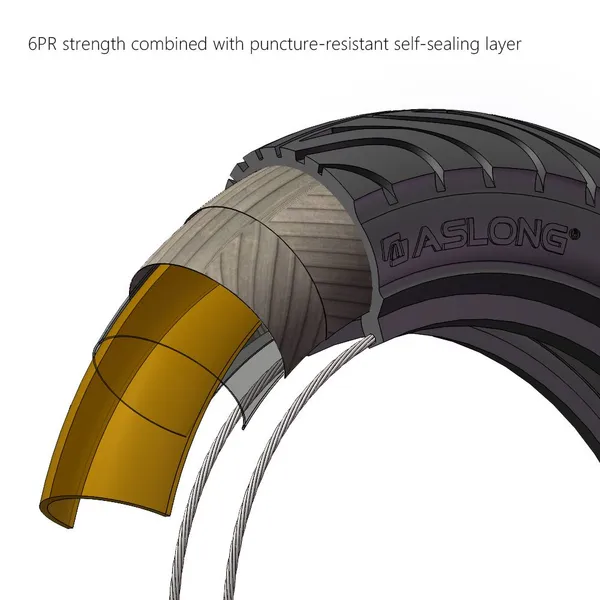 Read More

Contact Us
Recommended Products
-
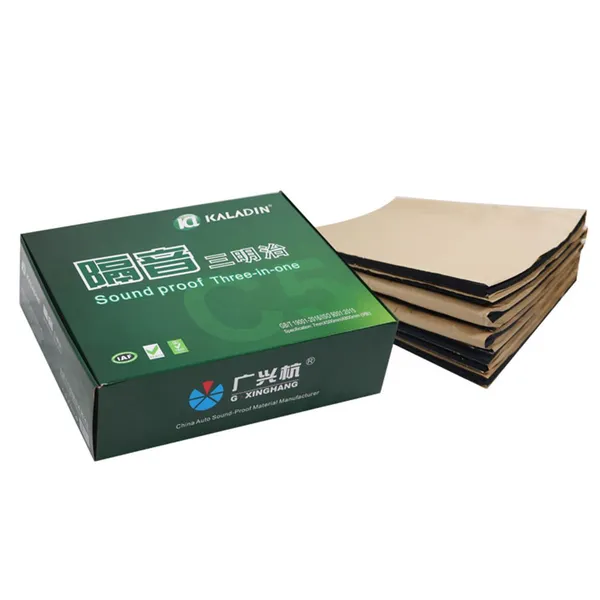
 ASLONG 3-in-1 Low-Frequency King 7mm Thick Full Car Sound Deadening | Factory Direct | Small MOQ OEM CustomNegotiableMOQ: 500 Boxes
 -
High Density Damping Soundproof Felt (MLV) for Pipe & Floor InsulationNegotiableMOQ: 50 Boxes
-
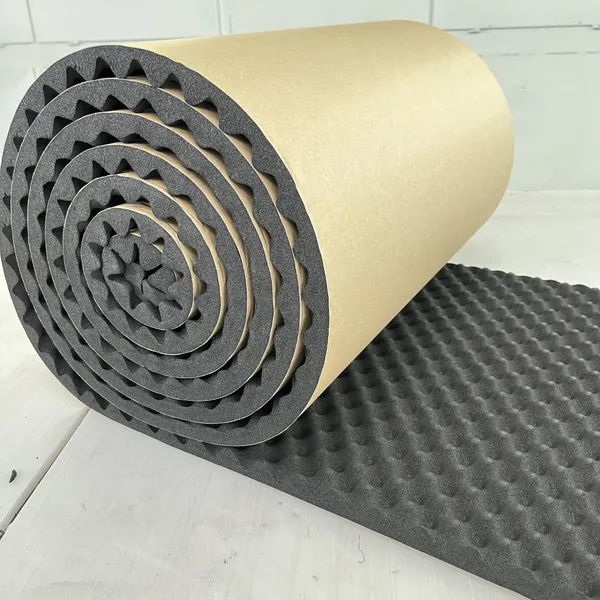
Factory Direct NBR Soundproof Foam | Custom Sizes Available Wholesale NBR Acoustic Panels – Cost-Effective Noise Control SolutionNegotiableMOQ: 10 Rolls
-
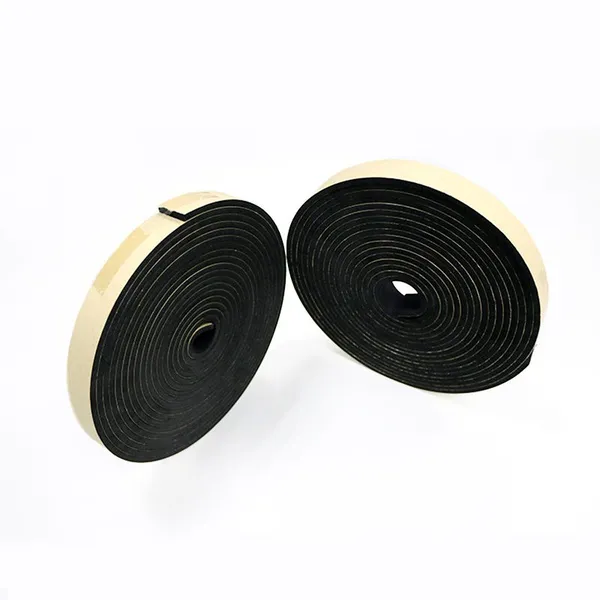
NBR Trending Keywords for Acoustic Sealing Strips Hot Keywords Popular Search Terms Acoustic WeatherstrippingNegotiableMOQ: 50 Rolls
-
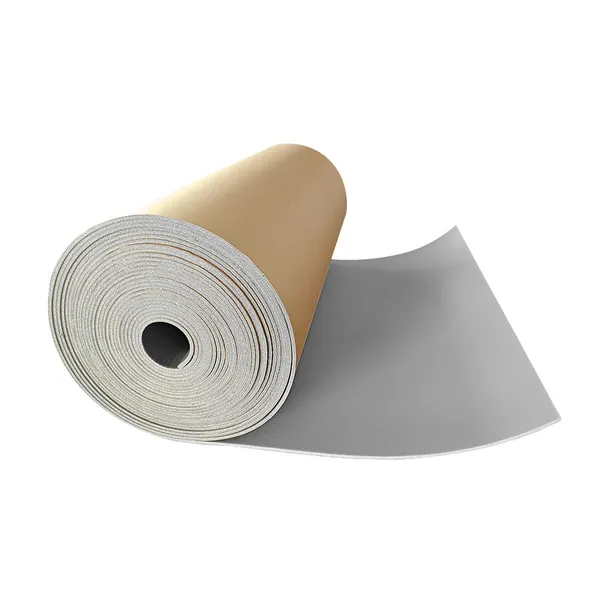
XPE Sound Insulation Foam Cross-linked Polyethylene Acoustic Pad Eco-friendly Floor Underlayment XPE Thermal and Sound Insulation MaterialNegotiableMOQ: 10 Rolls
-
Mass Loaded Vinyl (MLV) Soundproofing Mat Acoustic Mat Sound Deadening MatUS$ 38MOQ: 10 Cartons
-
Specially for 50# Pipes Reduce Water Pipe Noise in High-rise Buildings Soundproof Water Pipes in High-rise BuildingsUS$ 8MOQ: 10 Blades
-
Specially for 75# Pipes Reduce Water Pipe Noise in High-rise Buildings Soundproof Water Pipes in High-rise BuildingsUS$ 11MOQ: 10 Blades
-
Specially for 110# Pipes Reduce Water Pipe Noise in High-rise Buildings Soundproof Water Pipes in High-rise BuildingsUS$ 16.9MOQ: 10 Blades
-
Self-healing Tubeless Tire for Electric Scooter MotorcycleUS$ 20 - 30MOQ: 10 Units
-
Wholesale Factory Price OEM 2mm Thickness ASLONG Car Sound Absorbing and Heat Insulation MatsUS$ 2.5 - 2.75MOQ: 499 Blades
-
NBR Heat Resistant Composite Glass Fiber Aluminum Foil Anti-oxidation Roof Ceiling Thermal Insulation Foam Sound Absorbing FoamUS$ 4.1 - 4.3MOQ: 499 Blades
-
460*800mm Soundproofing Materials Car Doors Sound DeadeningUS$ 60 - 64MOQ: 49 Cartons
-
Heavy-Duty Protection Noise Cancellation Self-Sealing Puncture-proof Tire FoamUS$ 16.9MOQ: 8 Blades