 Business License

Where to put soundproof foam? | Insights by ASLONG
Optimal Placement of Soundproof Foam: A Comprehensive Guide
Soundproof foam is an effective solution for improving acoustics by absorbing sound waves and reducing echoes. Proper placement is crucial to maximize its benefits. Below are key considerations and answers to common questions regarding the optimal placement of soundproof foam.
1. Where Should Soundproof Foam Be Installed?
To effectively reduce sound reflections and improve acoustics, install soundproof foam on:
Walls: Focus on areas directly opposite sound sources to minimize reflections.
Ceilings: Install panels to prevent sound from bouncing off and causing echoes.
Corners: Use bass traps to absorb low-frequency sounds that accumulate in these areas.
Covering at least 20-40% of the room’s surface area with foam panels is recommended for effective sound absorption.
2. How High Should Soundproof Foam Be Mounted?
The mounting height of soundproof foam depends on the room's usage:
Seated Areas: Mount panels 4-5 feet from the floor to align with ear level.
Standing Areas: Mount panels 5-6 feet from the floor to match typical adult ear level.
Mixed-Use Spaces: A height of 4.5-5 feet serves as a compromise.
For studio monitors, align the foam center with the tweeter height, typically 48-54 inches.
3. What Is the Ideal Coverage Percentage for Soundproof Foam?
The amount of surface area to cover with soundproof foam varies based on the desired acoustic treatment:
Light Treatment: 15-20% coverage for basic echo reduction.
Standard Treatment: 25-35% coverage for general-purpose rooms.
Heavy Treatment: 40-50% coverage for critical listening or recording environments.
Avoid exceeding 60% coverage to prevent overly dead acoustics.
4. How Should Soundproof Foam Be Installed?
Installation methods include:
Double-Sided Foam Tape: Quick and simple, but may damage paint upon removal.
Adhesive Spray: Provides a strong, long-term hold; ideal for permanent installations.
Removable Mounting (Velcro Strips/Command Strips): Allows repositioning and is suitable for renters.
Ensure the surface is clean and dry before installation to achieve optimal adhesion.
5. How Do I Maintain Soundproof Foam Panels?
Regular maintenance includes:
Cleaning: Vacuum periodically to remove dust and debris.
Avoid Direct Sunlight: Prevent discoloration by keeping panels out of direct sunlight.
Stain Removal: Use a mild soap and water solution for gentle cleaning; avoid harsh chemicals.
6. Can Soundproof Foam Be Used to Block External Noise?
Soundproof foam primarily absorbs sound within a room and is not designed to block external noise. For blocking external sounds, consider soundproofing materials like acoustic rolls, soundproof insulation, or soundproof drywall.
7. Is Soundproof Foam Effective for All Frequencies?
Standard acoustic foam is most effective at absorbing mid to high-frequency sounds. For low-frequency sounds, especially in corners, use bass traps or thicker foam panels.
8. How Do I Determine the Right Amount of Soundproof Foam Needed?
A general guideline is to cover between 15% and 30% of the room's surface area with soundproof foam. For example, in a room with 500 square feet of wall space, aim for 75 to 150 square feet of foam coverage. Start with a lower coverage and adjust based on acoustic needs.
Conclusion
Proper placement and installation of soundproof foam are essential for achieving optimal acoustic performance. By strategically positioning foam panels, selecting appropriate installation methods, and maintaining them regularly, you can create a more comfortable and acoustically balanced environment.
For high-quality soundproofing solutions, consider ASLONG's range of acoustic products designed to meet diverse needs.
Recently Posted
-
How to Clean Tire Inner Surface Before Installing Tire Foam for Better Adhesion
July 24, 2026How to Clean the Tire Well Before Installing FoamInstalling acoustic tire foam is an effective way to reduce tire cavity noise and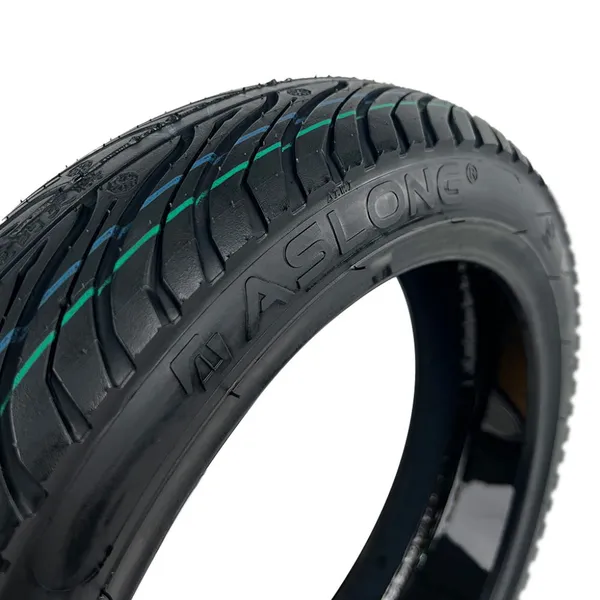 Read More
 -
The Ultimate Guide to Car Soundproofing Foam: Uses and Installation
July 14, 2026Car Sound Insulation Foam: Improve Comfort and Reduce NoiseDriving should be comfortable and quiet, but unwanted road noise, engin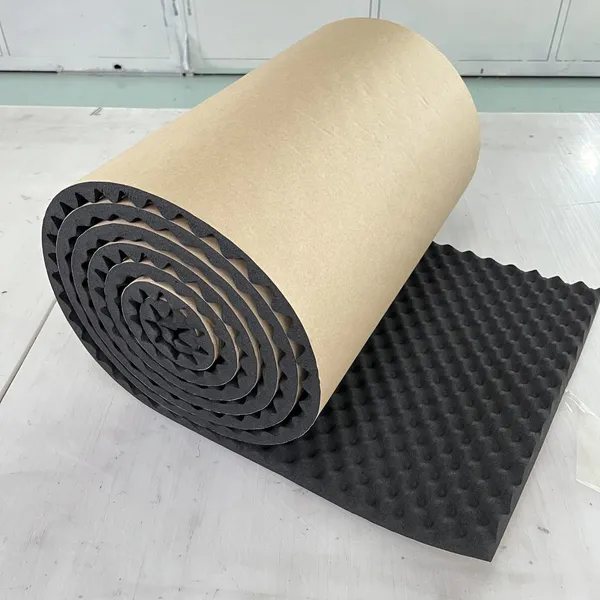 Read More
 -
Market Trend: Noise Management and the Growing Need for Soundproofing in EVs
July 11, 2026Market Hotspot: Noise Control & Growing Demand for Soundproofing in EVsIntroductionThe rapid expansion of the electric vehicle Read More
 -
How to stop tires from humming? | Insights by ASLONG
June 30, 2026Understanding and Mitigating Tire Humming NoiseTire humming noise is a common issue that can disrupt the comfort of your driving e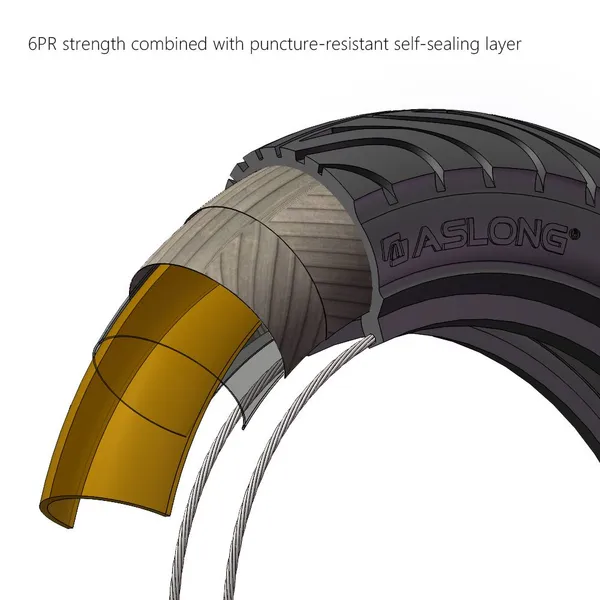 Read More

Contact Us
Recommended Products
-
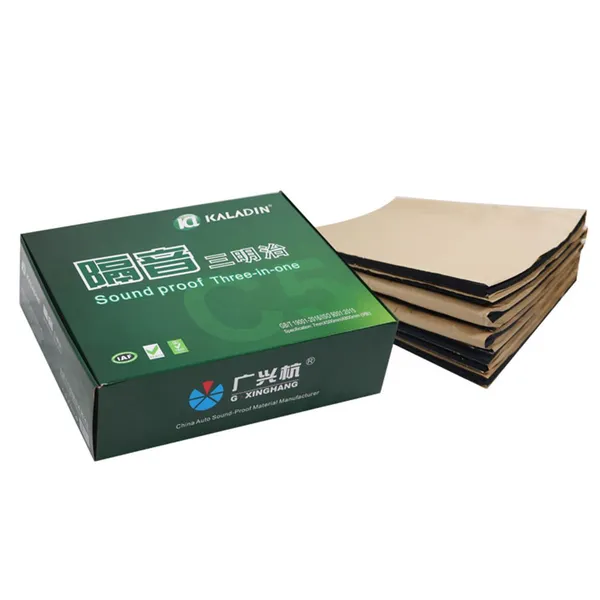
 ASLONG 3-in-1 Low-Frequency King 7mm Thick Full Car Sound Deadening | Factory Direct | Small MOQ OEM CustomNegotiableMOQ: 500 Boxes
 -
High Density Damping Soundproof Felt (MLV) for Pipe & Floor InsulationNegotiableMOQ: 50 Boxes
-
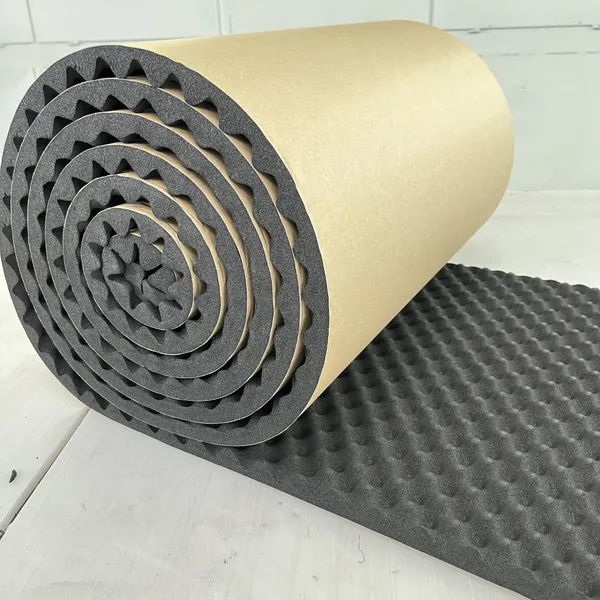
Factory Direct NBR Soundproof Foam | Custom Sizes Available Wholesale NBR Acoustic Panels – Cost-Effective Noise Control SolutionNegotiableMOQ: 10 Rolls
-
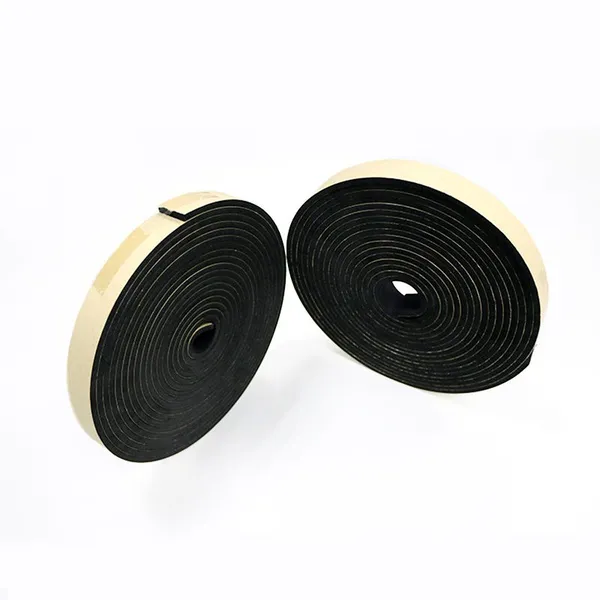
NBR Trending Keywords for Acoustic Sealing Strips Hot Keywords Popular Search Terms Acoustic WeatherstrippingNegotiableMOQ: 50 Rolls
-
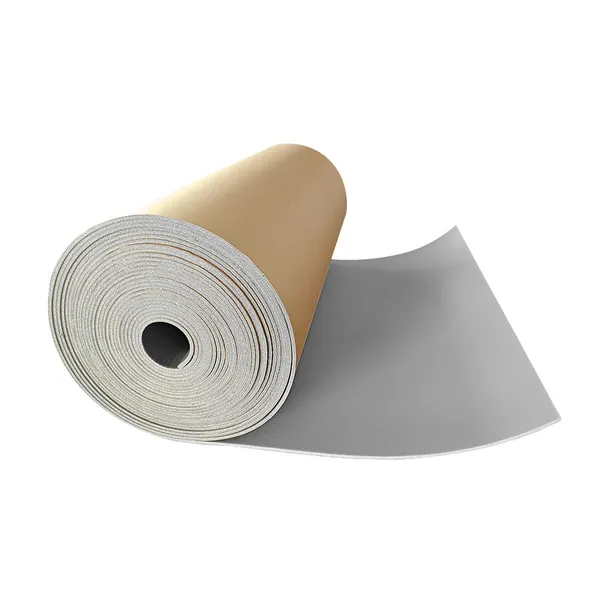
XPE Sound Insulation Foam Cross-linked Polyethylene Acoustic Pad Eco-friendly Floor Underlayment XPE Thermal and Sound Insulation MaterialNegotiableMOQ: 10 Rolls
-
Mass Loaded Vinyl (MLV) Soundproofing Mat Acoustic Mat Sound Deadening MatUS$ 38MOQ: 10 Cartons
-
Specially for 50# Pipes Reduce Water Pipe Noise in High-rise Buildings Soundproof Water Pipes in High-rise BuildingsUS$ 8MOQ: 10 Blades
-
Specially for 75# Pipes Reduce Water Pipe Noise in High-rise Buildings Soundproof Water Pipes in High-rise BuildingsUS$ 11MOQ: 10 Blades
-
Specially for 110# Pipes Reduce Water Pipe Noise in High-rise Buildings Soundproof Water Pipes in High-rise BuildingsUS$ 16.9MOQ: 10 Blades
-
Self-healing Tubeless Tire for Electric Scooter MotorcycleUS$ 20 - 30MOQ: 10 Units
-
Wholesale Factory Price OEM 2mm Thickness ASLONG Car Sound Absorbing and Heat Insulation MatsUS$ 2.5 - 2.75MOQ: 499 Blades
-
NBR Heat Resistant Composite Glass Fiber Aluminum Foil Anti-oxidation Roof Ceiling Thermal Insulation Foam Sound Absorbing FoamUS$ 4.1 - 4.3MOQ: 499 Blades
-
460*800mm Soundproofing Materials Car Doors Sound DeadeningUS$ 60 - 64MOQ: 49 Cartons
-
Heavy-Duty Protection Noise Cancellation Self-Sealing Puncture-proof Tire FoamUS$ 16.9MOQ: 8 Blades