
 Business License
HOW TO CHOOSE THE RIGHT INSULATION MATERIAL FOR YOUR CAR OR HOME
Choosing the right insulation material is essential for creating a comfortable, energy-efficient, and noise-controlled environment — whether in your car or your home. With so many insulation products available on the market today, it can be difficult to understand which one suits your needs best.
This guide breaks down the differences between common insulation materials, their benefits, and how to choose the right option for your specific situation.
Why Insulation Matters
Insulation plays two major roles:
1. Soundproofing (Noise Reduction)
The right material can reduce unwanted noise from traffic, engines, neighbors, machinery, or road vibration.
2. Thermal Control (Heat Insulation)
Good insulation keeps heat where it should be — preventing hot car cabins, lowering energy consumption in homes, and improving temperature stability.
Choosing the best insulation starts with understanding what problem you want to solve.
Types of Insulation Materials
Below are the most common insulation materials used in vehicles and homes — each offering different advantages.
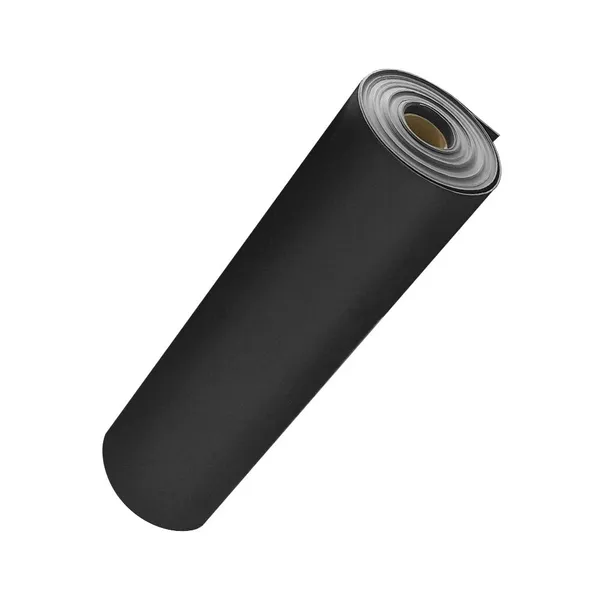
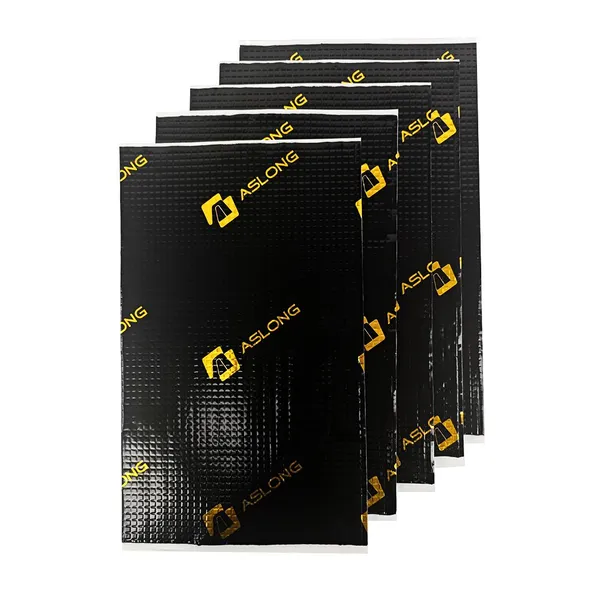
1. Butyl Rubber Sound Deadening Mats (Automotive/Industrial)
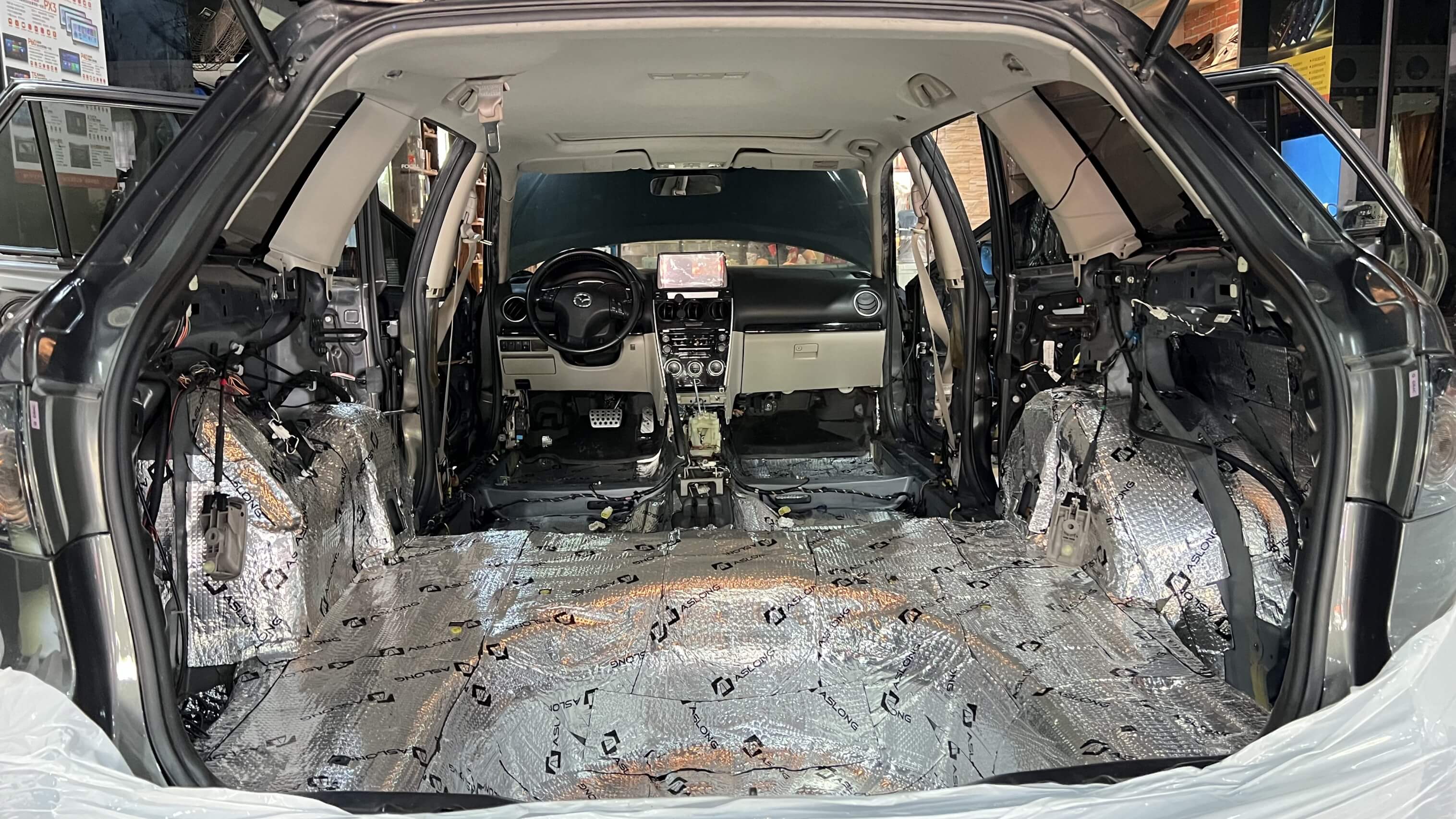
Best for:
Cars, vans, trucks, machinery, workshops.
Benefits:
Excellent vibration damping
Strong sound blocking
High heat resistance
Adhesive backing for easy installation
No odor, no melting
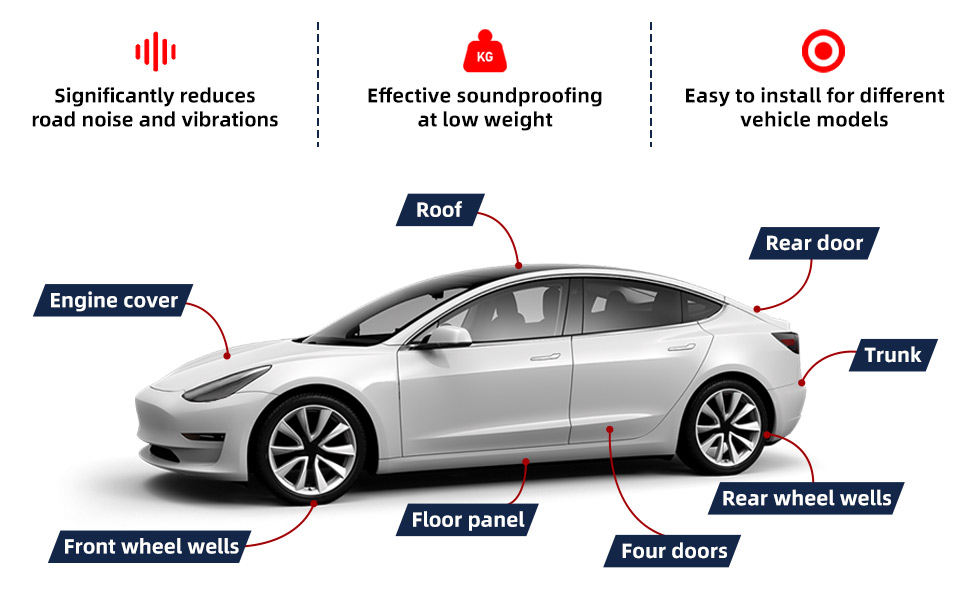
Perfect for car floor, doors, trunk, firewall
Why Choose Butyl Rubber:
If your main goal is noise reduction + heat insulation, especially in cars, butyl mats are the most reliable and long-lasting option.
2. Acoustic Foam Panels (Home / Studio)

Best for:
Home theaters, bedrooms, offices, recording studios.
Benefits:
Absorb echo
Reduce reverberation
Improve music and speech clarity
Important Note:
Acoustic foam does not block sound — it only controls echo inside a room.
Ideal for improving sound quality but not for blocking outside noise.
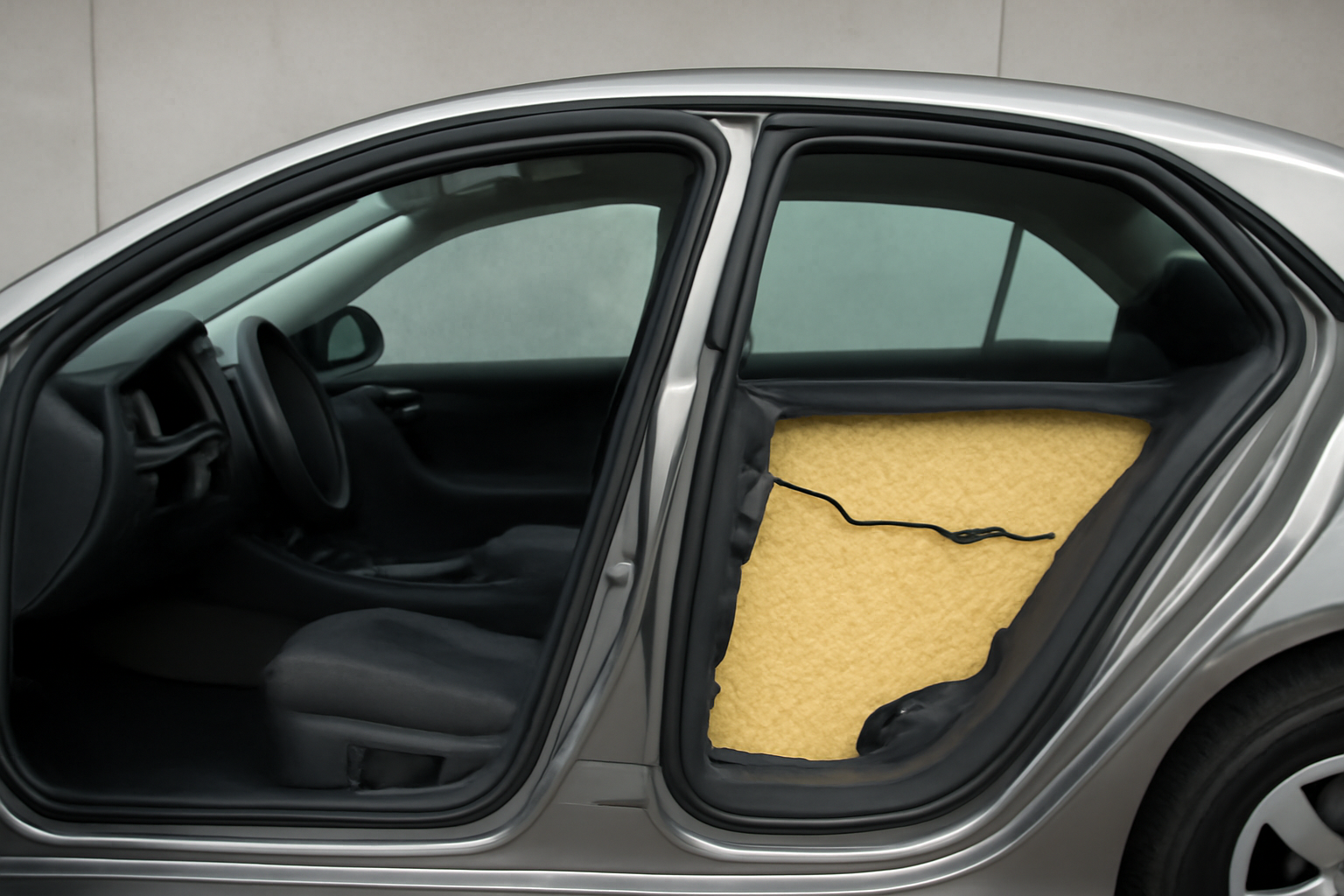
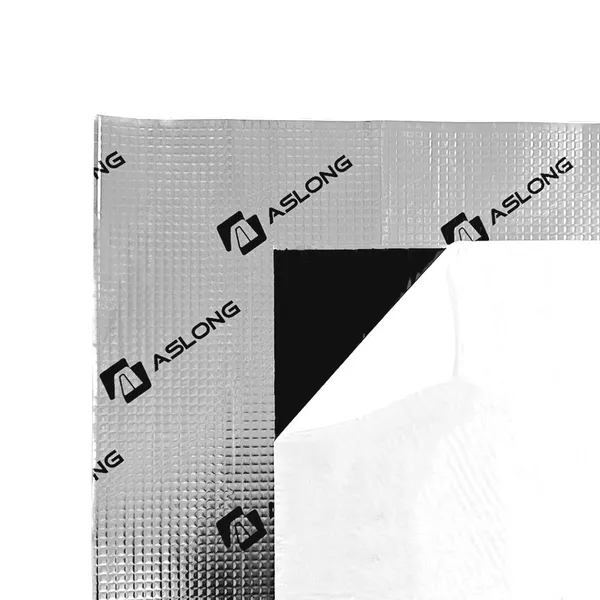
3. Aluminum Foil Heat Insulation (Car & Home)
Best for:
Car roofs, engine compartments, home attic, HVAC systems.
Benefits:
Reflects radiant heat
Lightweight
Works well in combination with butyl sound deadener
Good for high-temperature environments
If you want to reduce heat coming from the sun or engine — this is a top choice.
4. Fiberglass Insulation (Home)
Best for:
Walls, attics, basements, ceilings.
Benefits:
Strong thermal insulation
Cost-effective
Good sound absorption
Long-lasting performance
Not suitable for cars due to dust, shedding, and installation difficulty.
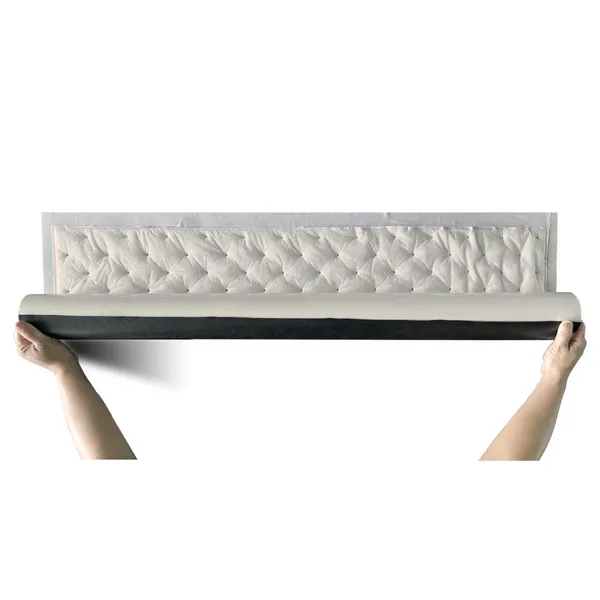
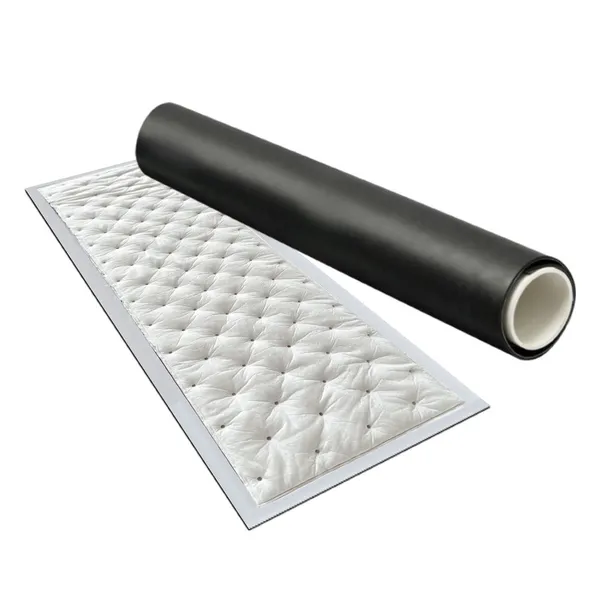
5. Multi-Layer Composite Mats (Car + Home)
(Butyl layer + Foam layer + Aluminum foil)
Best for:
Users who want both noise reduction and heat control at the same time.
Benefits:
Blocks vibration
Absorbs sound
Reflects heat
Safe for both vehicles and buildings
Great for premium insulation projects
This is the most versatile all-in-one solution.
How to Choose the Right Material for Your Needs
Below are practical recommendations based on whether you are insulating a car or a home.
For Cars
1. To Reduce Road Noise
Choose:
Recently Posted
-
How to Clean Tire Inner Surface Before Installing Tire Foam for Better Adhesion
July 24, 2026How to Clean the Tire Well Before Installing FoamInstalling acoustic tire foam is an effective way to reduce tire cavity noise and Read More
 -
The Ultimate Guide to Car Soundproofing Foam: Uses and Installation
July 14, 2026Car Sound Insulation Foam: Improve Comfort and Reduce NoiseDriving should be comfortable and quiet, but unwanted road noise, engin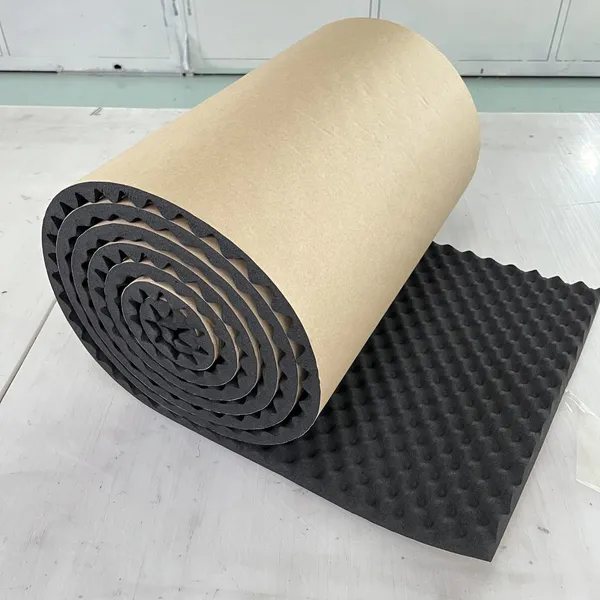 Read More
 -
Market Trend: Noise Management and the Growing Need for Soundproofing in EVs
July 11, 2026Market Hotspot: Noise Control & Growing Demand for Soundproofing in EVsIntroductionThe rapid expansion of the electric vehicle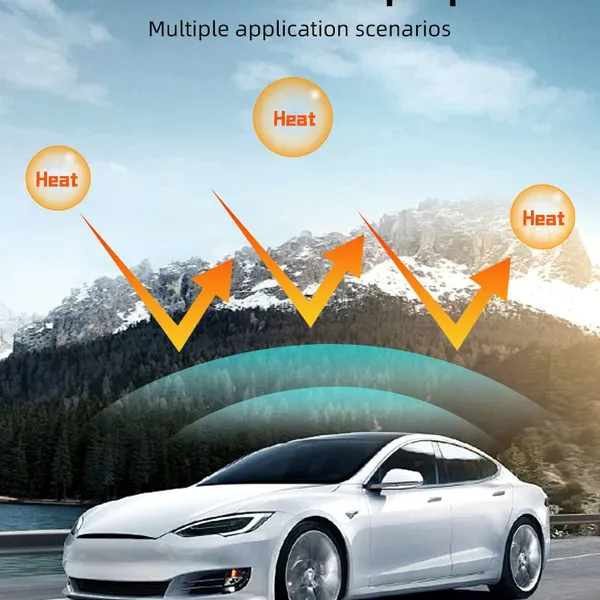 Read More
 -
How to stop tires from humming? | Insights by ASLONG
June 30, 2026Understanding and Mitigating Tire Humming NoiseTire humming noise is a common issue that can disrupt the comfort of your driving e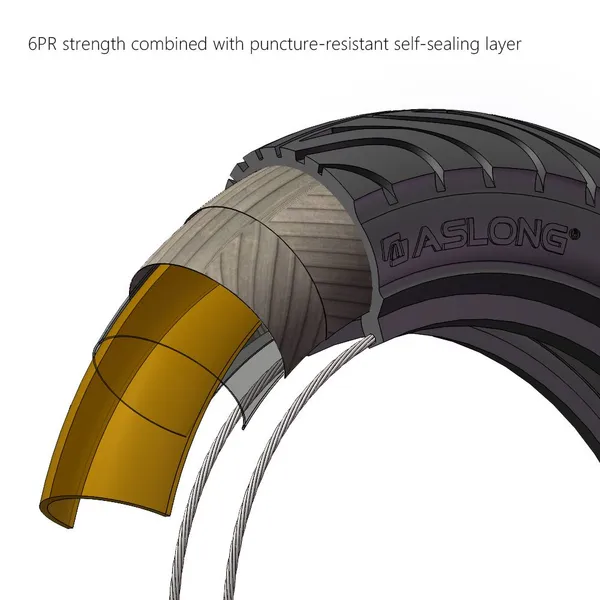 Read More

Contact Us
Recommended Products
-
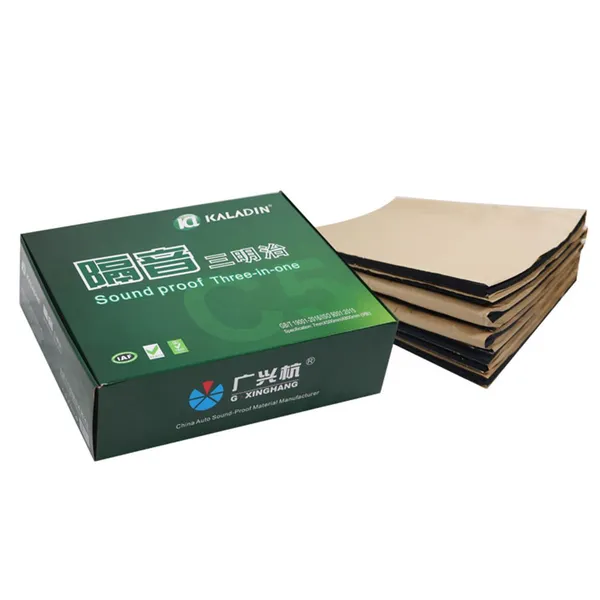
 ASLONG 3-in-1 Low-Frequency King 7mm Thick Full Car Sound Deadening | Factory Direct | Small MOQ OEM CustomNegotiableMOQ: 500 Boxes
 -
High Density Damping Soundproof Felt (MLV) for Pipe & Floor InsulationNegotiableMOQ: 50 Boxes
-
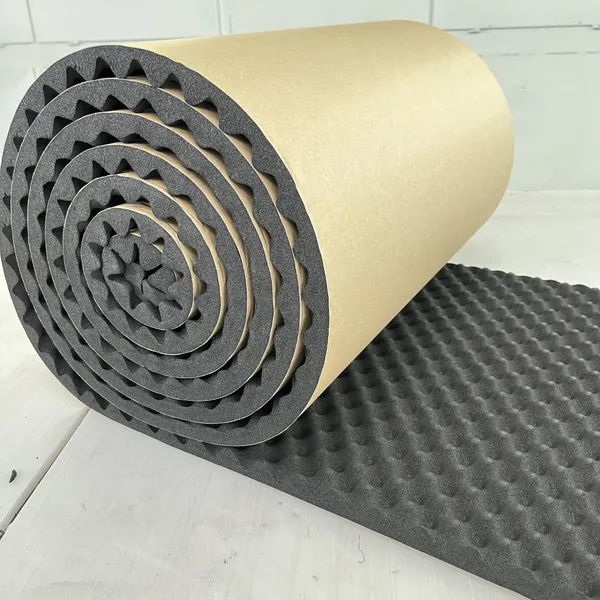
Factory Direct NBR Soundproof Foam | Custom Sizes Available Wholesale NBR Acoustic Panels – Cost-Effective Noise Control SolutionNegotiableMOQ: 10 Rolls
-
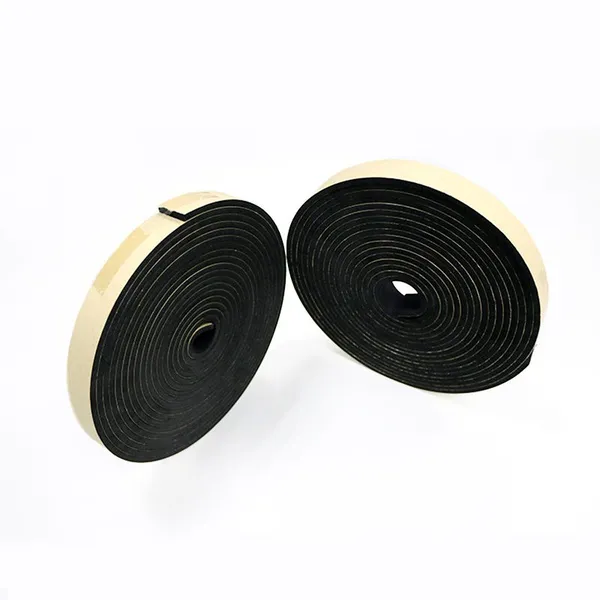
NBR Trending Keywords for Acoustic Sealing Strips Hot Keywords Popular Search Terms Acoustic WeatherstrippingNegotiableMOQ: 50 Rolls
-
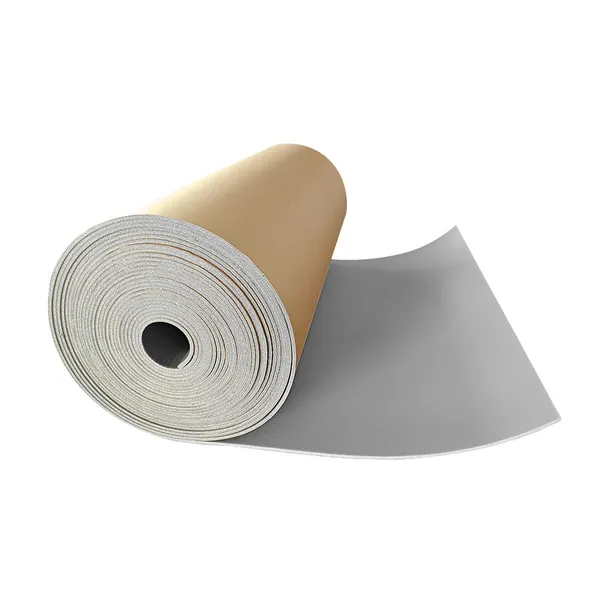
XPE Sound Insulation Foam Cross-linked Polyethylene Acoustic Pad Eco-friendly Floor Underlayment XPE Thermal and Sound Insulation MaterialNegotiableMOQ: 10 Rolls
-
Mass Loaded Vinyl (MLV) Soundproofing Mat Acoustic Mat Sound Deadening MatUS$ 38MOQ: 10 Cartons
-
Specially for 50# Pipes Reduce Water Pipe Noise in High-rise Buildings Soundproof Water Pipes in High-rise BuildingsUS$ 8MOQ: 10 Blades
-
Specially for 75# Pipes Reduce Water Pipe Noise in High-rise Buildings Soundproof Water Pipes in High-rise BuildingsUS$ 11MOQ: 10 Blades
-
Specially for 110# Pipes Reduce Water Pipe Noise in High-rise Buildings Soundproof Water Pipes in High-rise BuildingsUS$ 16.9MOQ: 10 Blades
-
Self-healing Tubeless Tire for Electric Scooter MotorcycleUS$ 20 - 30MOQ: 10 Units
-
Wholesale Factory Price OEM 2mm Thickness ASLONG Car Sound Absorbing and Heat Insulation MatsUS$ 2.5 - 2.75MOQ: 499 Blades
-
NBR Heat Resistant Composite Glass Fiber Aluminum Foil Anti-oxidation Roof Ceiling Thermal Insulation Foam Sound Absorbing FoamUS$ 4.1 - 4.3MOQ: 499 Blades
-
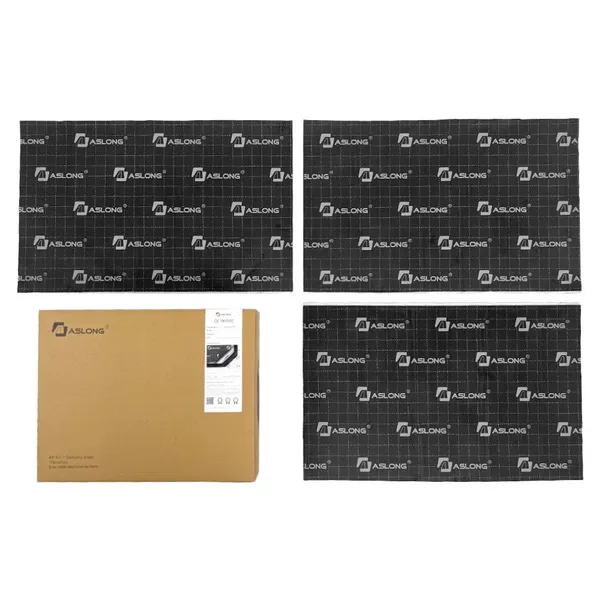
460*800mm Soundproofing Materials Car Doors Sound DeadeningUS$ 60 - 64MOQ: 49 Cartons
-
Heavy-Duty Protection Noise Cancellation Self-Sealing Puncture-proof Tire FoamUS$ 16.9MOQ: 8 Blades
 Business License