 Business License

Why Silent Foam Tires Are Becoming Popular: Market Trends & Demand
Introduction
For decades, tire manufacturers have been balancing durability, performance, and comfort. But as vehicles—especially electric cars—become quieter, one factor stands out more than ever: tire noise. Technologies such as Tires Silent Foam and innovations like the Tire Magic Pad are transforming how drivers experience the road. This article explores the rising popularity of silent foam tires, the role of Tire Magic Pad solutions, and why consumer demand for quieter rides is shaping the global tire market.
1. What Is Tire Noise and Why Does It Matter?
Tire noise is generated mainly by:
Air pumping effect – air compressed between the tread and road surface
Tread vibration – caused by irregular tread blocks and road impact
Cavity resonance – echoing inside the hollow tire cavity
Traditionally, drivers tolerated this noise. Today, with electric vehicles (EVs) removing engine sounds, tire noise has become one of the dominant sources of in-cabin disturbance. That’s where Tires Silent Foam comes into play.
2. What Is Tires Silent Foam?
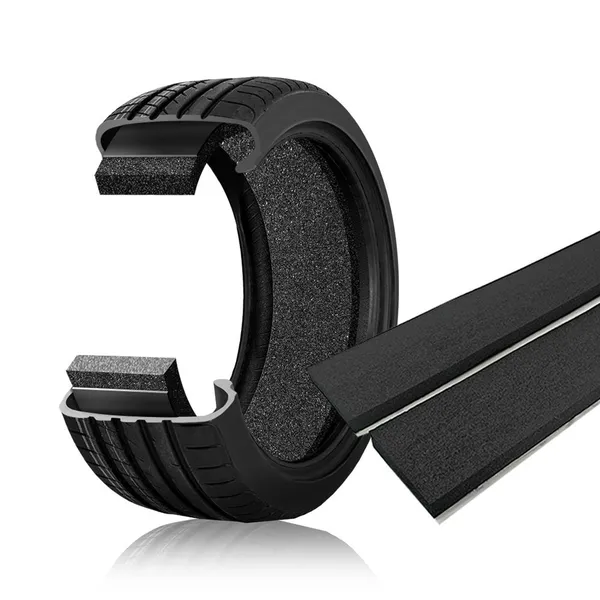
Tires Silent Foam is a sound-absorbing layer, usually polyurethane (PU) foam, bonded inside the tire cavity. Its purpose is to reduce cavity resonance and dampen vibrations, lowering noise by up to 8–10 decibels in real driving conditions.
How it works:
The foam absorbs acoustic energy and prevents it from amplifying inside the tire.Benefits:
Quieter cabin environment
More enjoyable music and conversation
Enhanced comfort during long trips
3. What Is Tire Magic Pad and How Does It Relate?
While Tires Silent Foam is built inside the tire, the Tire Magic Pad is often referred to as an aftermarket noise and vibration reduction solution that complements quiet tire technology. These pads can be integrated into wheels, underbody, or suspension areas to reduce resonance further.
Together, Tire Magic Pad + Tires Silent Foam create a comprehensive tire noise reduction system, ensuring comfort without sacrificing safety or performance.
4. Market Trends Driving Silent Foam Tire Adoption
a) Growth of Electric Vehicles (EVs)
EVs highlight tire noise more than combustion cars.
Automakers like Tesla, Audi, and Lexus have adopted silent foam technology in premium EV models.
Demand for quieter rides aligns with the luxury EV market.
b) Rising Consumer Expectations for Comfort
Modern drivers equate comfort with quietness.
Surveys show over 70% of premium car buyers consider cabin noise reduction a purchase factor.
c) OEM and Aftermarket Expansion
OEMs (Michelin Acoustic, Continental ContiSilent, Bridgestone B-Silent) include silent foam in original equipment.
Aftermarket users seek upgrades such as Tire Magic Pad for vehicles without built-in foam tires.
d) Urban Regulations and Standards
Noise pollution laws in Europe and Asia are pushing manufacturers toward quieter tire solutions.
EU regulations require noise labeling on tires, boosting adoption.
5. Key Players and Technologies in Silent Foam Tires
Continental (ContiSilent): Polyurethane foam bonded to tire interior.
Michelin (Acoustic Technology): Specialized foam reducing cavity noise by ~20%.
Bridgestone (B-Silent): Lightweight foam solution minimizing impact on rolling resistance.
Goodyear, Pirelli, Hankook: Developing silent foam options for EVs and luxury cars.
Tire Magic Pad products, though less standardized, are increasingly seen as a DIY or aftermarket complement to these factory innovations.
6. Benefits Beyond Silence
Silent foam tires and Tire Magic Pad solutions are not just about noise:
Driving comfort: smoother ride and reduced vibration
Enhanced communication: passengers can talk without raising voices
Safety factor: less driver fatigue on long journeys
EV efficiency: silent foam adds minimal weight, preserving battery range
7. Challenges and Concerns
Durability: foam adhesion can weaken under heat, humidity, or over time
Repairability: puncture repairs may be more complex with foam-lined tires
Cost factor: silent foam tires can cost 15–20% more than standard ones
Awareness gap: many consumers don’t know the difference between foam tires and accessories like Tire Magic Pad
8. Future Outlook: What’s Next for Silent Foam Tires?
Material Innovation: eco-friendly foams, recycled composites, and smart polymers
Integration with Smart Cars: noise sensors + adaptive dampening systems
Aftermarket Growth: more products like Tire Magic Pad to upgrade standard tires
Regulatory Push: stricter global noise standards will accelerate adoption
Conclusion
The popularity of Tires Silent Foam and complementary solutions like the Tire Magic Pad reflects a growing shift in consumer expectations and automotive innovation. As EV adoption rises and cities enforce stricter noise regulations, the demand for quiet, comfortable driving experiences will continue to grow. For drivers, this means better comfort, improved focus, and a more enjoyable ride. For manufacturers, it signals a market ripe for innovation and competition.
Recently Posted
-
How to Clean Tire Inner Surface Before Installing Tire Foam for Better Adhesion
July 24, 2026How to Clean the Tire Well Before Installing FoamInstalling acoustic tire foam is an effective way to reduce tire cavity noise and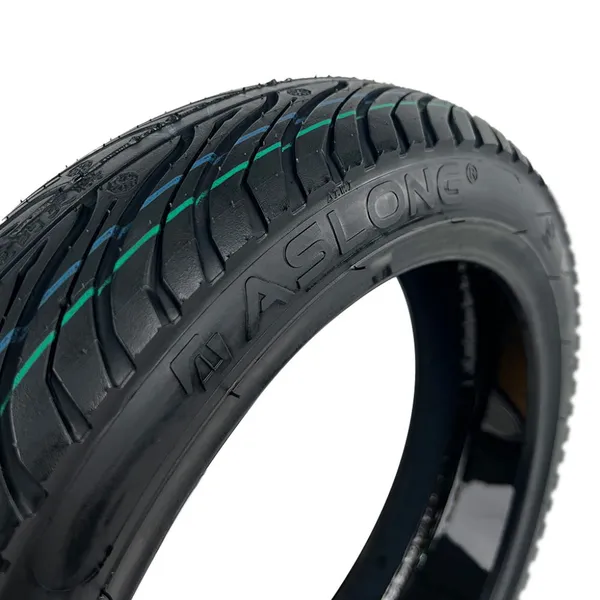 Read More
 -
The Ultimate Guide to Car Soundproofing Foam: Uses and Installation
July 14, 2026Car Sound Insulation Foam: Improve Comfort and Reduce NoiseDriving should be comfortable and quiet, but unwanted road noise, engin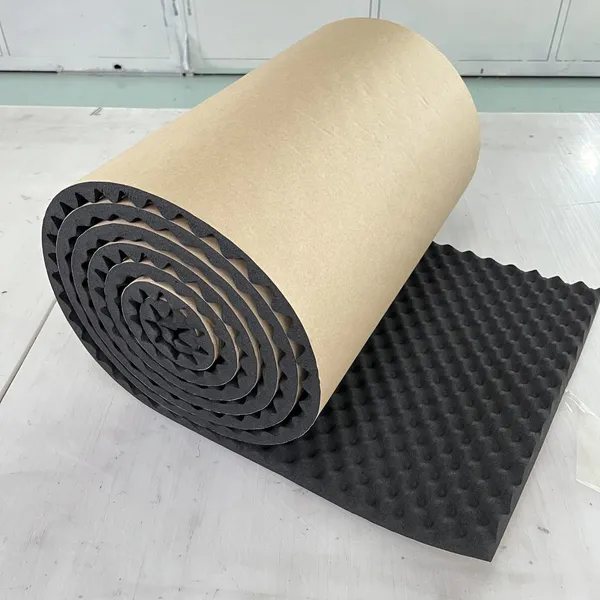 Read More
 -
Market Trend: Noise Management and the Growing Need for Soundproofing in EVs
July 11, 2026Market Hotspot: Noise Control & Growing Demand for Soundproofing in EVsIntroductionThe rapid expansion of the electric vehicle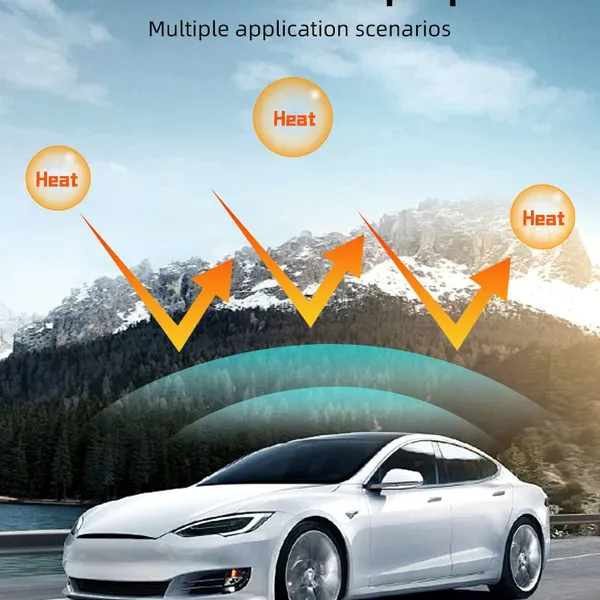 Read More
 -
How to stop tires from humming? | Insights by ASLONG
June 30, 2026Understanding and Mitigating Tire Humming NoiseTire humming noise is a common issue that can disrupt the comfort of your driving e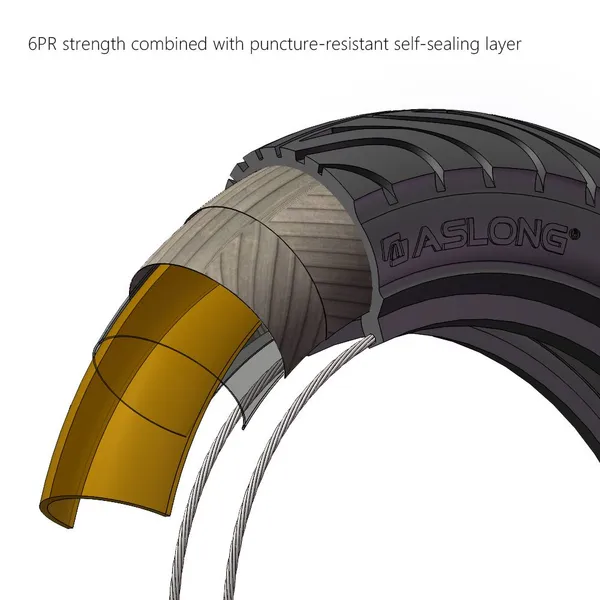 Read More

Contact Us
Recommended Products
-
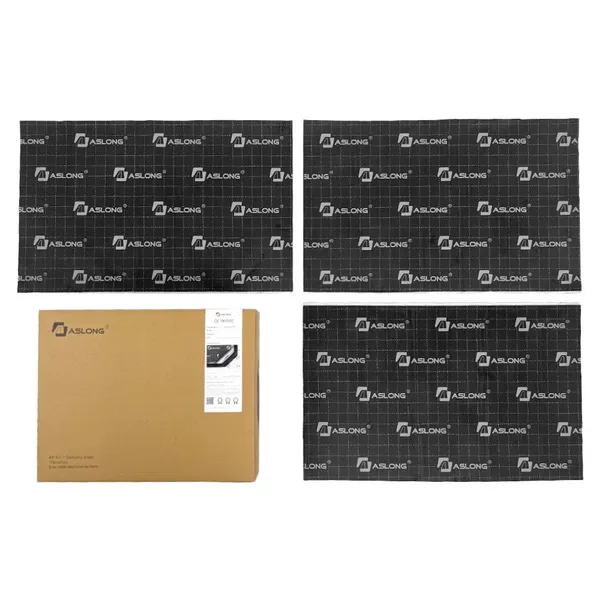
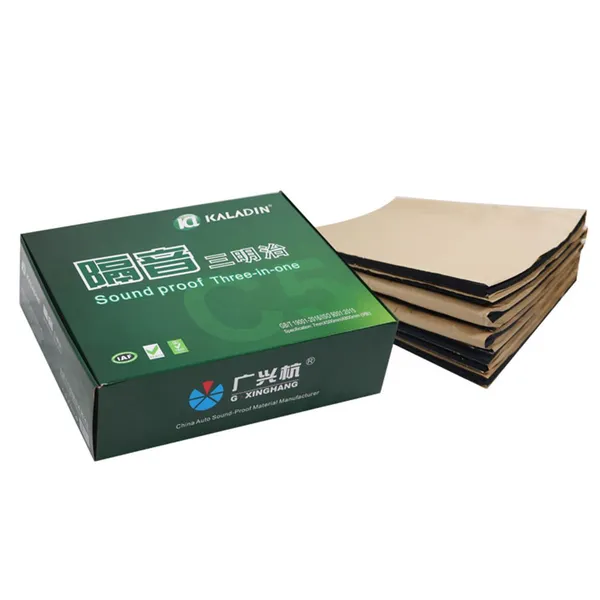
 ASLONG 3-in-1 Low-Frequency King 7mm Thick Full Car Sound Deadening | Factory Direct | Small MOQ OEM CustomNegotiableMOQ: 500 Boxes
 -
High Density Damping Soundproof Felt (MLV) for Pipe & Floor InsulationNegotiableMOQ: 50 Boxes
-
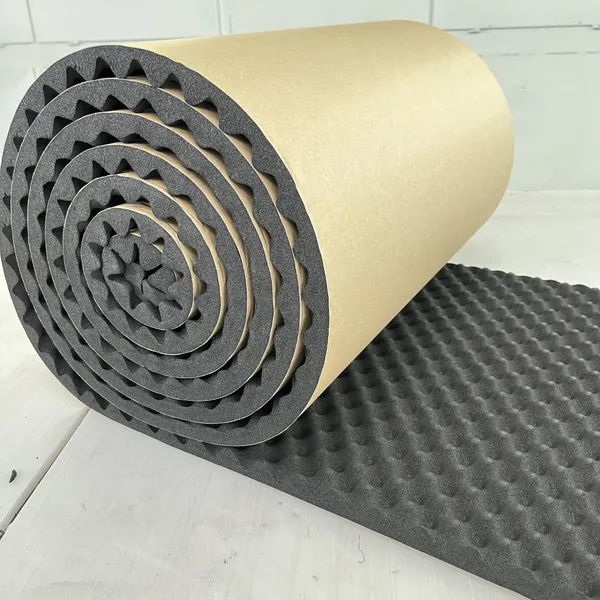
Factory Direct NBR Soundproof Foam | Custom Sizes Available Wholesale NBR Acoustic Panels – Cost-Effective Noise Control SolutionNegotiableMOQ: 10 Rolls
-
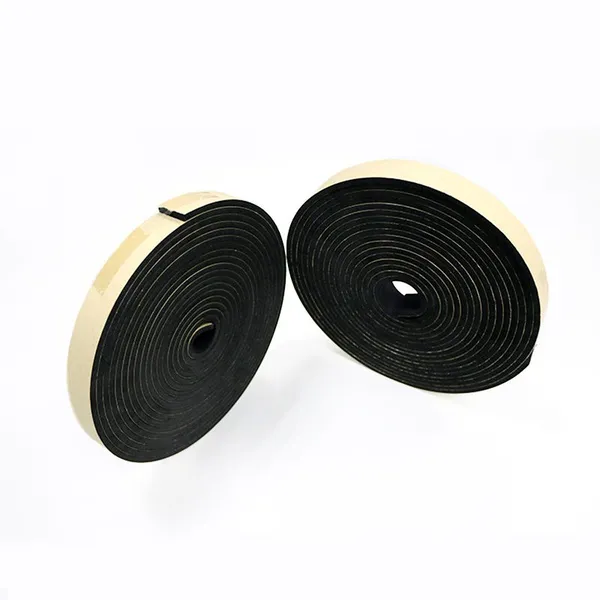
NBR Trending Keywords for Acoustic Sealing Strips Hot Keywords Popular Search Terms Acoustic WeatherstrippingNegotiableMOQ: 50 Rolls
-
XPE Sound Insulation Foam Cross-linked Polyethylene Acoustic Pad Eco-friendly Floor Underlayment XPE Thermal and Sound Insulation MaterialNegotiableMOQ: 10 Rolls
-
Mass Loaded Vinyl (MLV) Soundproofing Mat Acoustic Mat Sound Deadening MatUS$ 38MOQ: 10 Cartons
-
Specially for 50# Pipes Reduce Water Pipe Noise in High-rise Buildings Soundproof Water Pipes in High-rise BuildingsUS$ 8MOQ: 10 Blades
-
Specially for 75# Pipes Reduce Water Pipe Noise in High-rise Buildings Soundproof Water Pipes in High-rise BuildingsUS$ 11MOQ: 10 Blades
-
Specially for 110# Pipes Reduce Water Pipe Noise in High-rise Buildings Soundproof Water Pipes in High-rise BuildingsUS$ 16.9MOQ: 10 Blades
-
Self-healing Tubeless Tire for Electric Scooter MotorcycleUS$ 20 - 30MOQ: 10 Units
-
Wholesale Factory Price OEM 2mm Thickness ASLONG Car Sound Absorbing and Heat Insulation MatsUS$ 2.5 - 2.75MOQ: 499 Blades
-
NBR Heat Resistant Composite Glass Fiber Aluminum Foil Anti-oxidation Roof Ceiling Thermal Insulation Foam Sound Absorbing FoamUS$ 4.1 - 4.3MOQ: 499 Blades
-
460*800mm Soundproofing Materials Car Doors Sound DeadeningUS$ 60 - 64MOQ: 49 Cartons
-
Heavy-Duty Protection Noise Cancellation Self-Sealing Puncture-proof Tire FoamUS$ 16.9MOQ: 8 Blades